When you hear hoofbeats think Zürich, and a river runs through it

“Are you going to the beach in Zürich?” one of my geography challenged co-workers asked. Luckily, the seaside was not a prerequisite when a friend and I were deciding on a European city-break to celebrate our mutually milestone-esque birthdays. We narrowed the field to Paris (obvious, always diverting), Frankfurt (she’s a former resident of the German-burg), Berlin (sexy, on the trendy side of edgy), Milan (Italy, enough said), and Zürich. Playing word association with “Switzerland” conjured notions of clocks and watches, chocolates and cheese, banking and piles of money kept discreetly in offshore secret bunkers, the actualization of neutrality, and the one famous Swiss guy − tennis legend Roger Federer; images punctuated with the majestic snow-capped Alps. We selected Zürich, Switzerland’s largest city, consistently voted a best place to live because of its wealth and high quality of life.

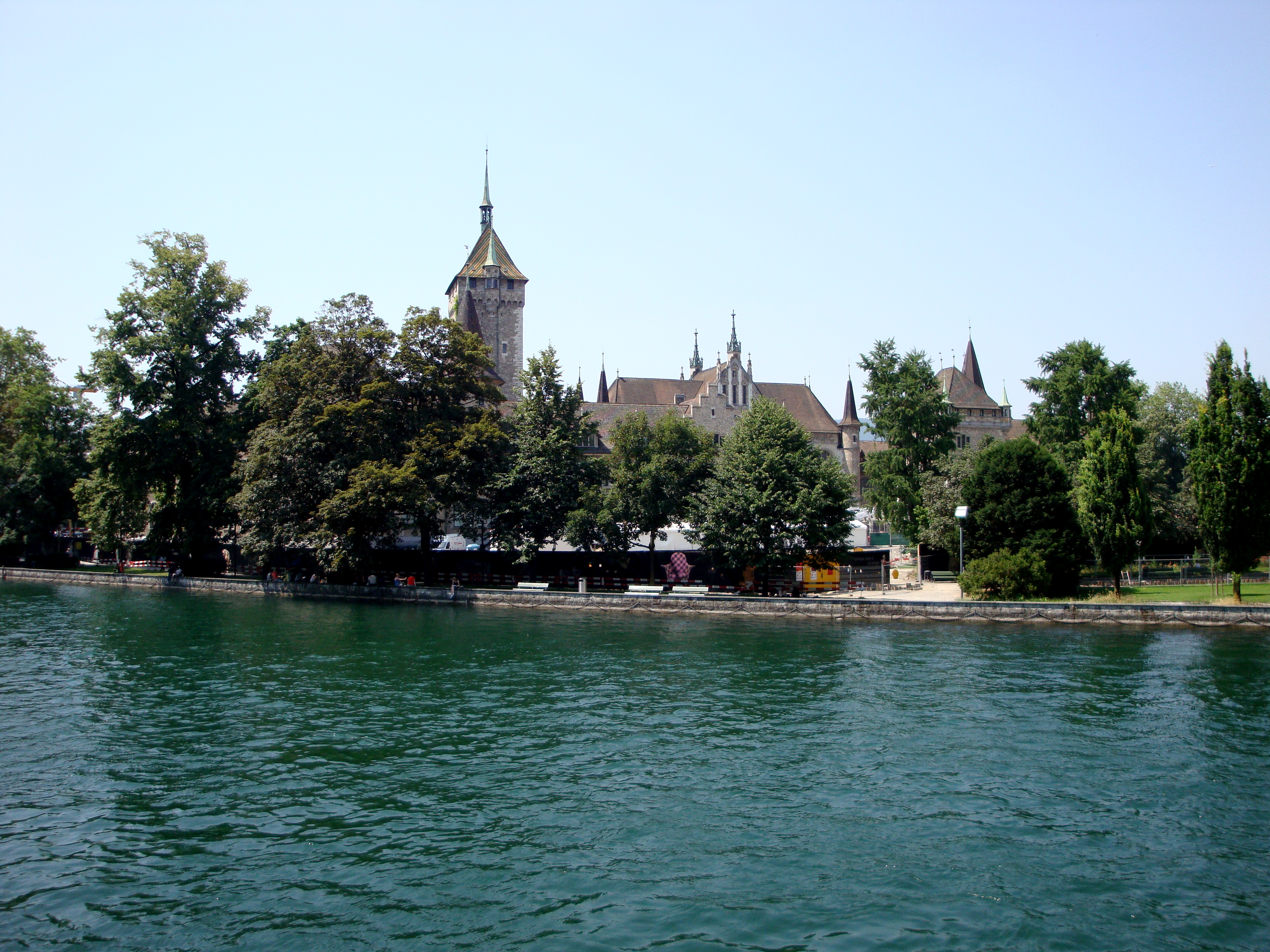
the Limmat River bisects Zürich flowing from Zürichsee Lake

If rich and exceedingly glamorous people flock via private yacht to St. Tropez or Marbella, more sensible glitzophiles with steady jobs and balance-free American Express cards land in Zürich. Here are my Top 3 city delights.

1. The dining experience.

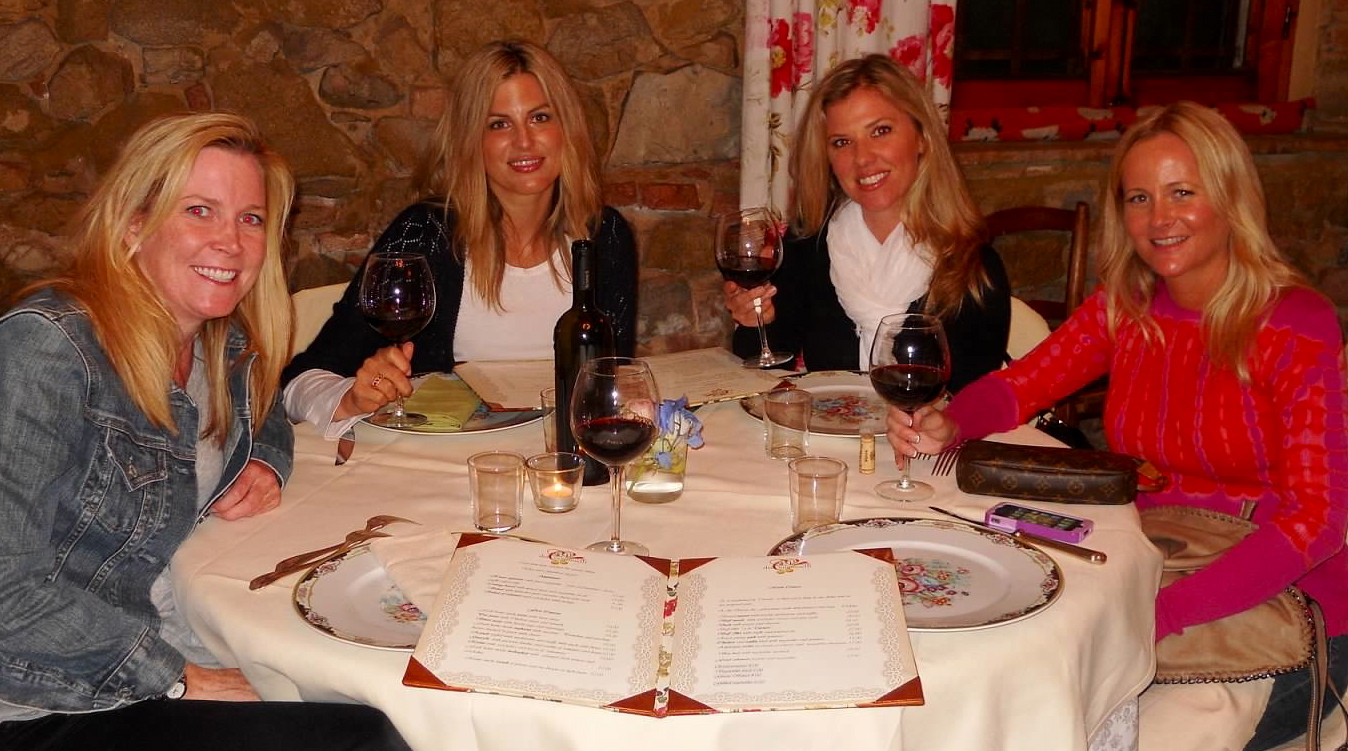
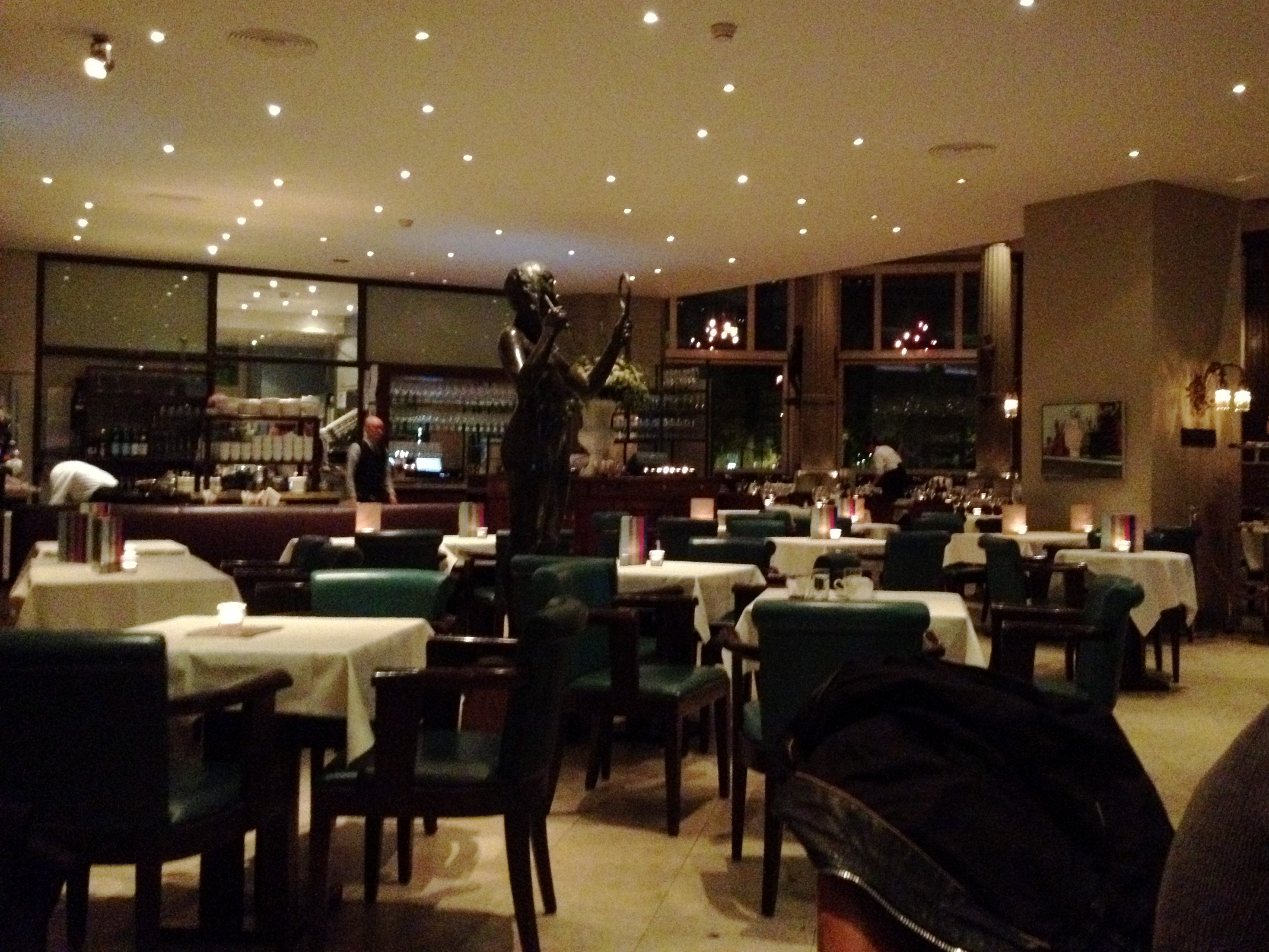
There is no shortage of choice for trendy, chic, nouveau, or old world restaurants housed in everything from 17th century guildhalls to renovated, re-designed industrial spaces. We had the pleasure of dining at LaSalle located in a converted shipbuilding factory. The lovely staff, rustic elegance, and luscious cocktails contribute to the restaurant’s charm along with the dining room’s open-and-airy, glass-filled ambiance all of which softens the distress for vegetarians who must turn the other cheek in this carnivore paradise. Bison, rabbit, and veal cravings can be quickly satisfied or for the more daring, horse fillet with garlic featured on the menu (horsemeat generously, or rather surprisingly, sourced from Canada and the USA).

after-dinner cocktails at Terrasse Café

Our second evening, dressed for dinner at Kronenhalle, we patronized without our diamonds and pearls and were subsequently relegated to a backroom table in this overly-conservative, stuffy local institution. Only the ability to view original artwork adorning the walls by Picasso, Matisse, Chagall, and Kandinsky, abated our feigned indignation.

Kronenhalle

2. The Spa experience.

I did mention birthdays and along with the calendar demarcation looms an annual contemplation of life. Although I have an inclination to revive the lost art of growing old gracefully, it is not counter-intuitive to another aspiration, namely, professionally-pampering my body. Switzerland has spas aplenty and claims some of the world’s best luxury spas and wellness resorts. We enjoyed the day spa at The Dolder Grand and left this hillside castle hotel feeling refreshed, relaxed, and ten-years younger.

hallway to spa heaven

3. The shopping experience.

Zürich has stylish little museums and galleries and the admirably clean, compact city allows ease of navigation through cobblestone streets to churches, courtyards, and riverside cafés. Personally, I prefer art and culture to shops and souvenirs but I confess to enjoying Bahnhofstrasse, the broad pedestrianized boulevard of endless retail options. In a daze of merchandize I succumbed to commercialism, purchasing insanely expensive shoes in the form of blue-suede-heels from Bally.

relaxing post-Bahnhofstrasse

Unquestionably a finance capital, Zürich residents vary across the spectrum from unabashed luxury sedan driving capitalists to young contemporary bike-riding artists; no one overly ostentatious and all seemingly enjoy Zürich’s high standard of living. Peering through a veneer of regulated Protestant-modesty, the city reverberates with comfort and affluence. Pleasant, sophisticated, and a river runs through it.

Grossmünster (Great Church) on Limmatquai

Notes from my Learn 1 Thing a Day collection:

Switzerland has four national languages: French, German, Italian, and Romansch.

The abbreviation for the Swiss Franc, the country’s currency is CHF because Switzerland, is also known as Confoederatio Helvetica (Latin). The Helvetians were the first tribe to settle in this central European region.

“For all the gnomish bankers and uptight Protestant burghers, Zürich was never simply the soulless, spotless city of reputation, even if James Joyce claimed that if you spilled soup on the Bahnhofstrasse you could lick it up.” – Wallpaper City Guide

St. Peters Kirche (Europe’s largest clock face)

Villages, Vineyards and Villas… oh my!

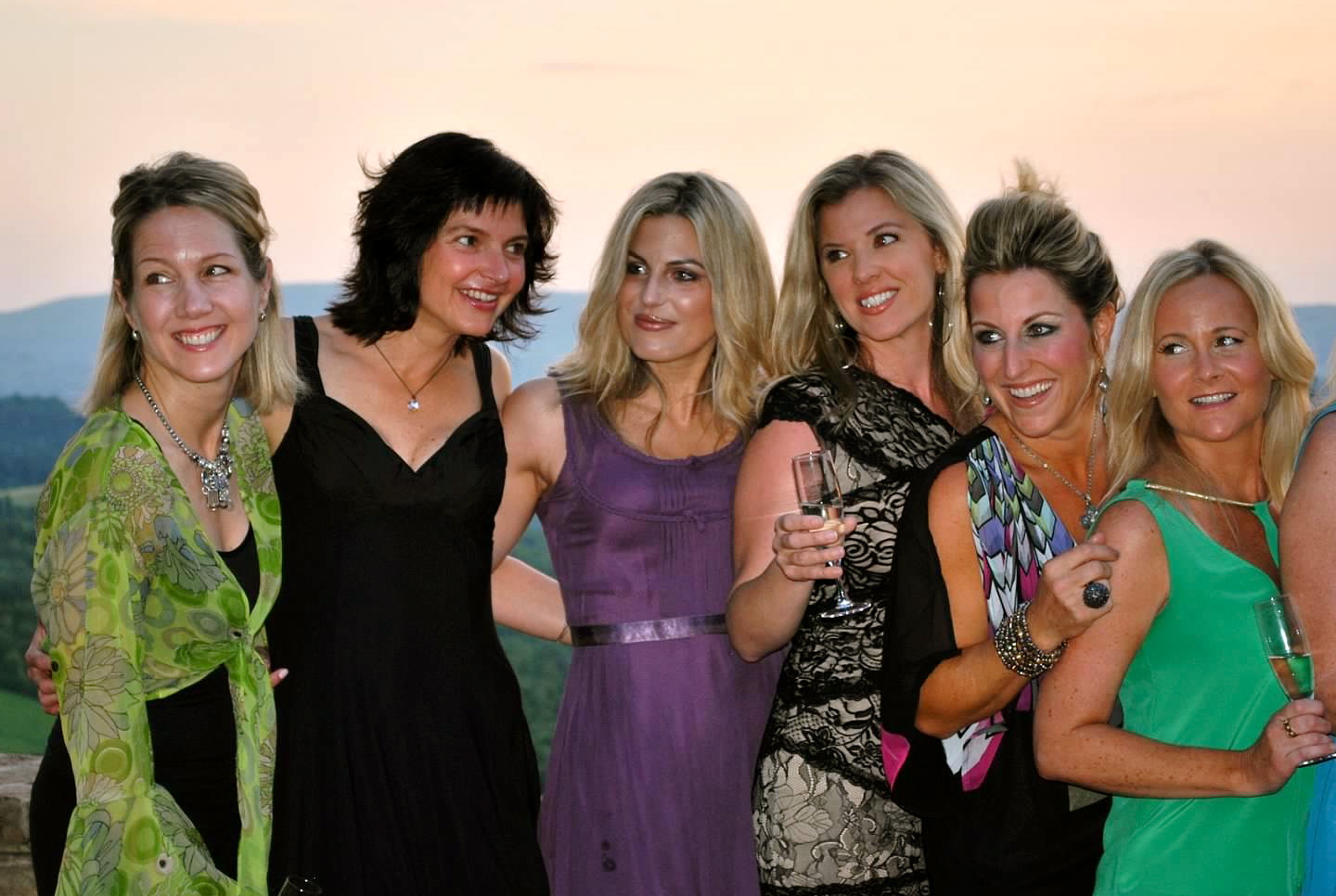
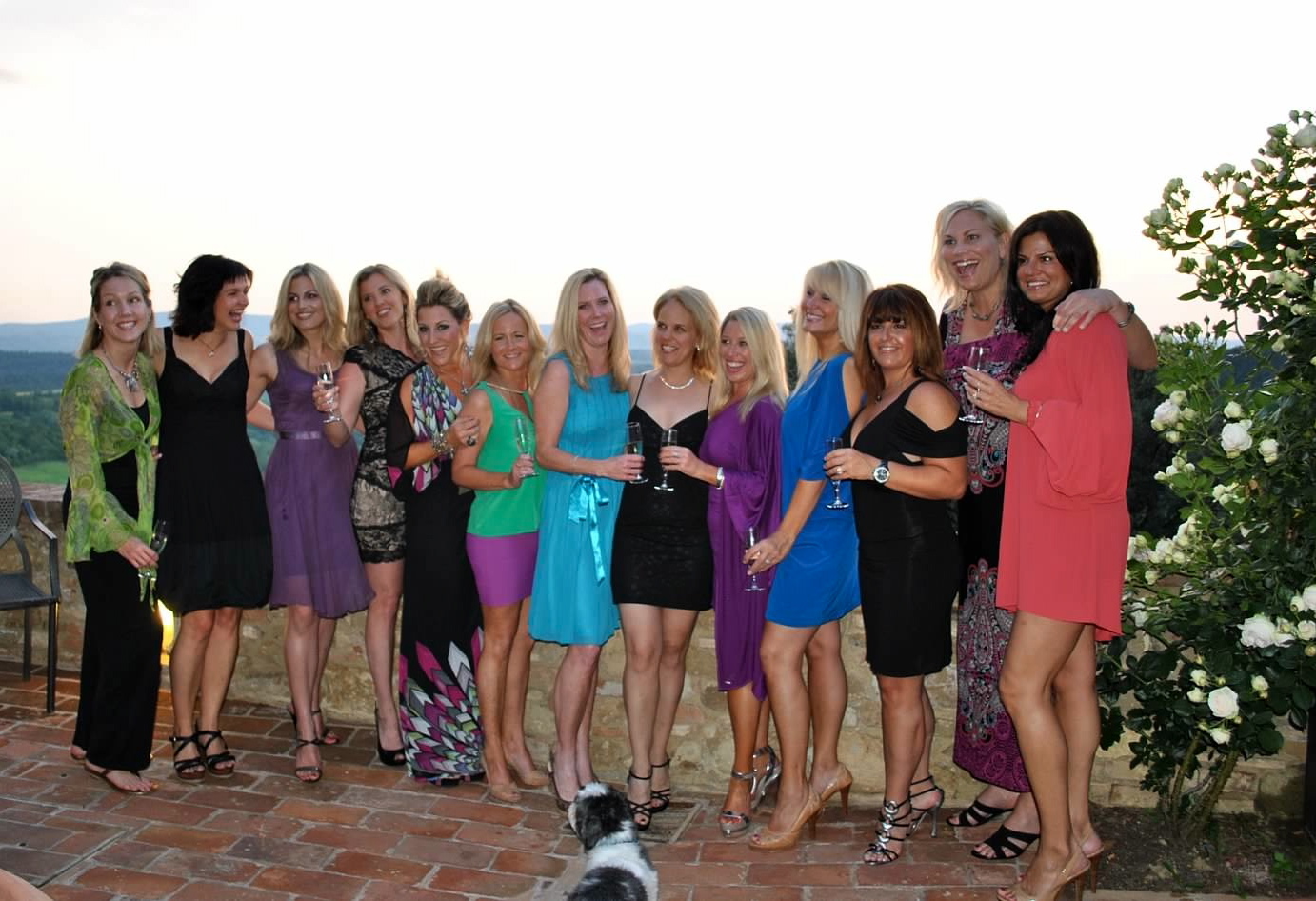
Oh yes! That was my answer when I was invited to a friend’s weeklong milestone-birthday celebration at a Tuscan villa. Although I have been to Italy numerous times over the years, I’d never been to Tuscany. Despite my love of all things Italian from coffee and pasta to art and history, in my recent travels I have exchanged Europe’s accessibility for more exotic far eastern locales. Still you would be crazy to decline a week in Tuscany, touted as one of the most beautifully romantic and vibrantly picturesque places on earth.

To describe the landscape of the region break out the adjectives, add a generous helping of superlatives and you have the loveliest-quaint-bucolic-most serene Tuscan countryside. Cypress trees, vineyards and olive groves dance along the rolling hills and intermittently scattered along the vast tracks of fertile fields are charming towns which provide endless potential for day-tripping adventures. While Florence is as marvelous as Pisa is infamous, Lucca, Volterra, Siena, San Gimignano and many, many more are well-worth a sojourn.

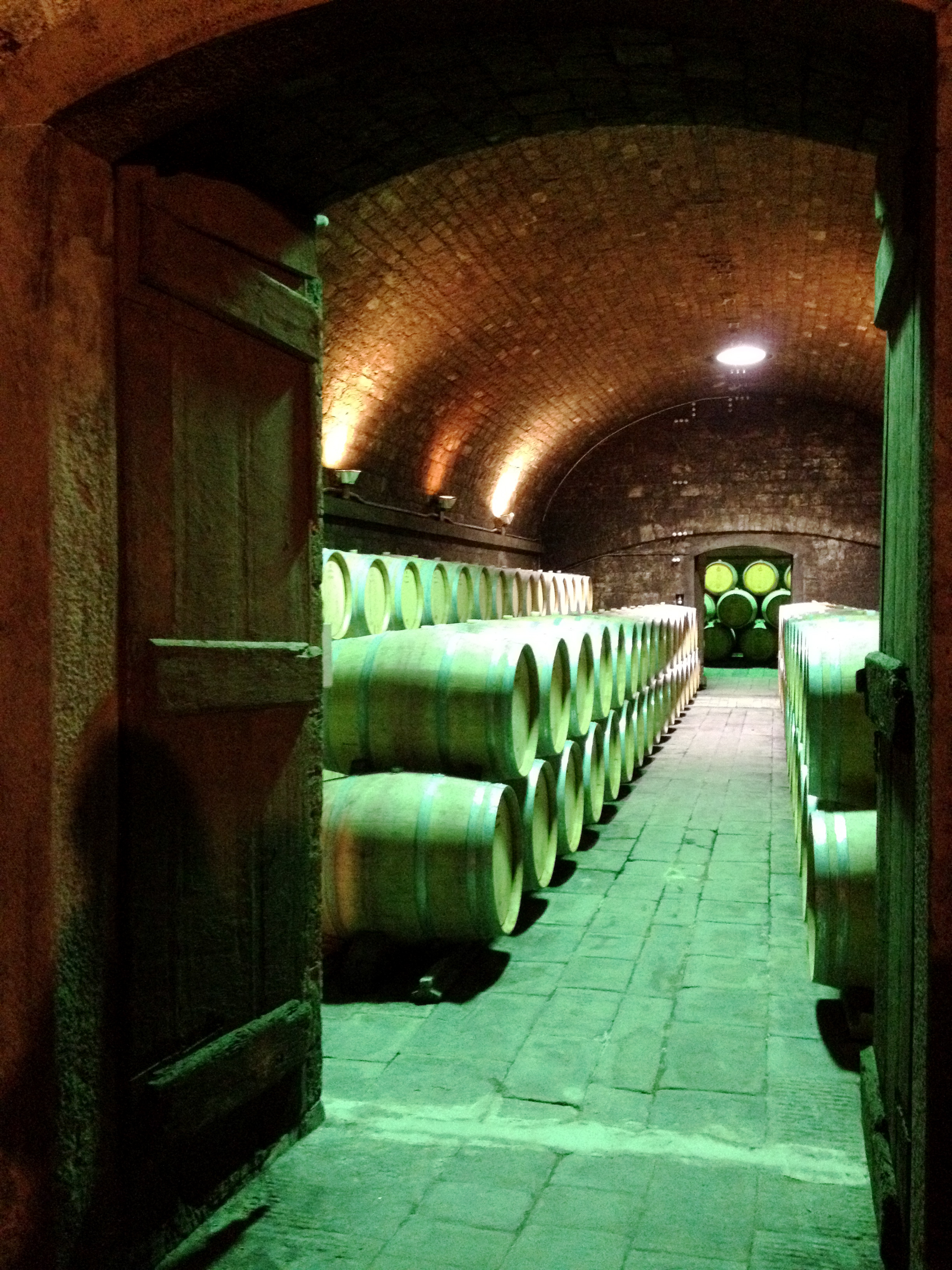
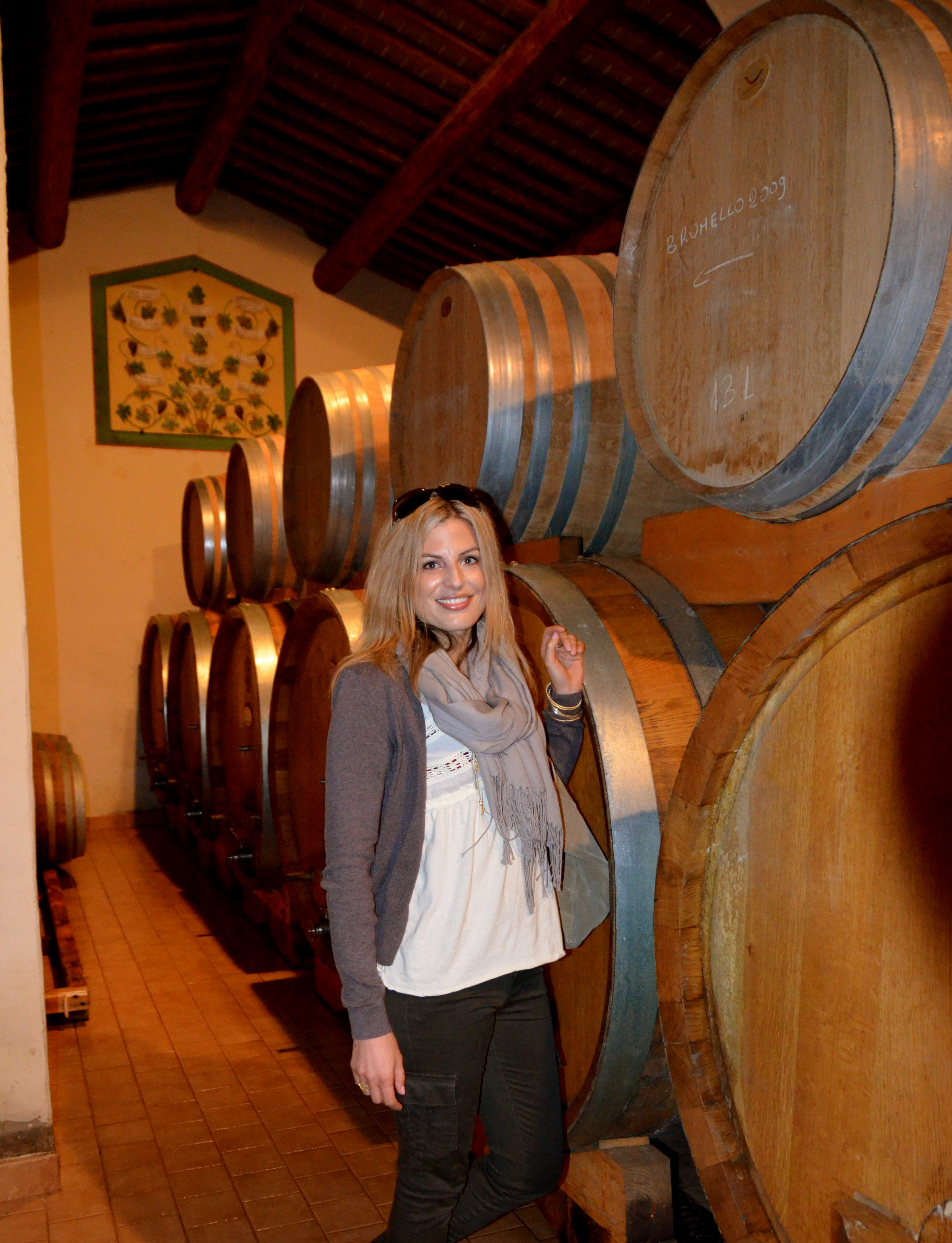
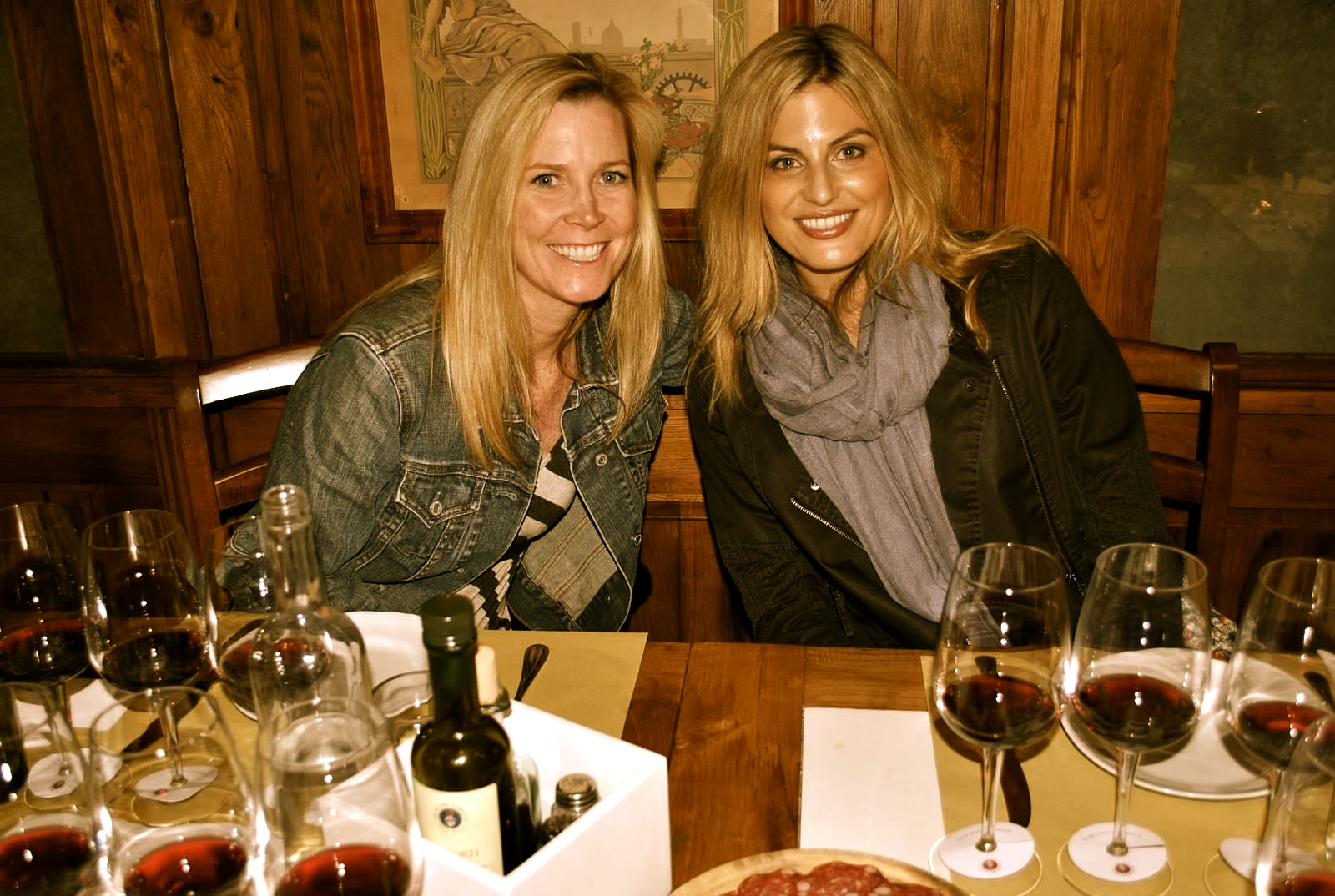
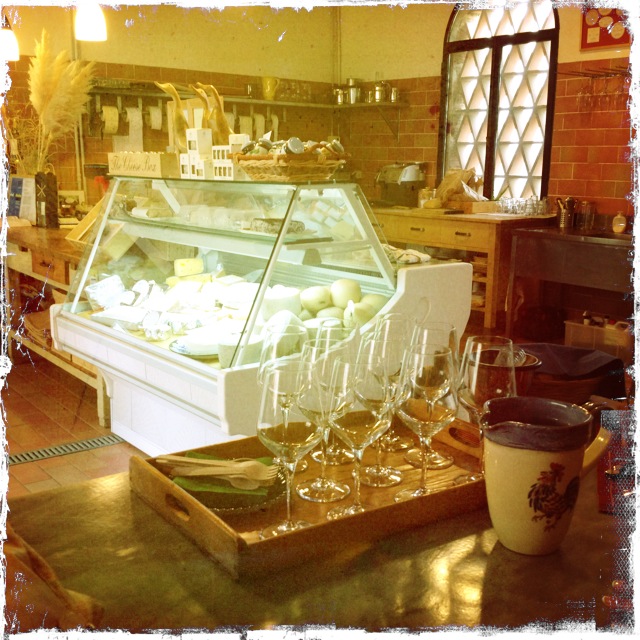
Another local pursuit is winery-hopping, the Italian version of a pub crawl, and each vineyard has its own unique history, barrel methodology and tasting choices. You may not know your Brunello di Montalcino from your Vino di Nobile di Montepulciano but touring the wineries is a master class in the Sangiovese grape and the art of the vine. Some of the most interesting were Castello Banfi l’Enoteca ~ a castle in a gorgeous location with lovely people and delicious wine; Casato Prime Donne ~ despite being a traditionally male dominated profession, the winemakers here are all women and this vineyard produces bottles of Cenerentola or “Cinderella;” Villa Le Corti ~ wine is literally on tap but unfortunately the proprietress-owner is a most unpleasant Duchess; Fattoria Corzano e Paterno ~ Arianna and her family run this vineyard, farm and working dairy which produces artisanal sheep cheeses making tastings especially scrumptious; Antinori’s Badia di Passignano ~ in the Chianti Classico region, barrels here are aged in the property’s 4th century monastery and you should not miss an exquisite dinner with wine pairings at Osteria di Passignano.

After a day’s indulgence you need somewhere to lay your head. Accommodation options in Tuscany are plentiful but if you are traveling with friends why not rent a villa; for roughly $12K per week you can stay at Enzo and Annagloria Corti’s spectacular Villa Torre Il Santo located in Tavernelle in Val di Pesa. Ah, la dolce vita.

Ciao!

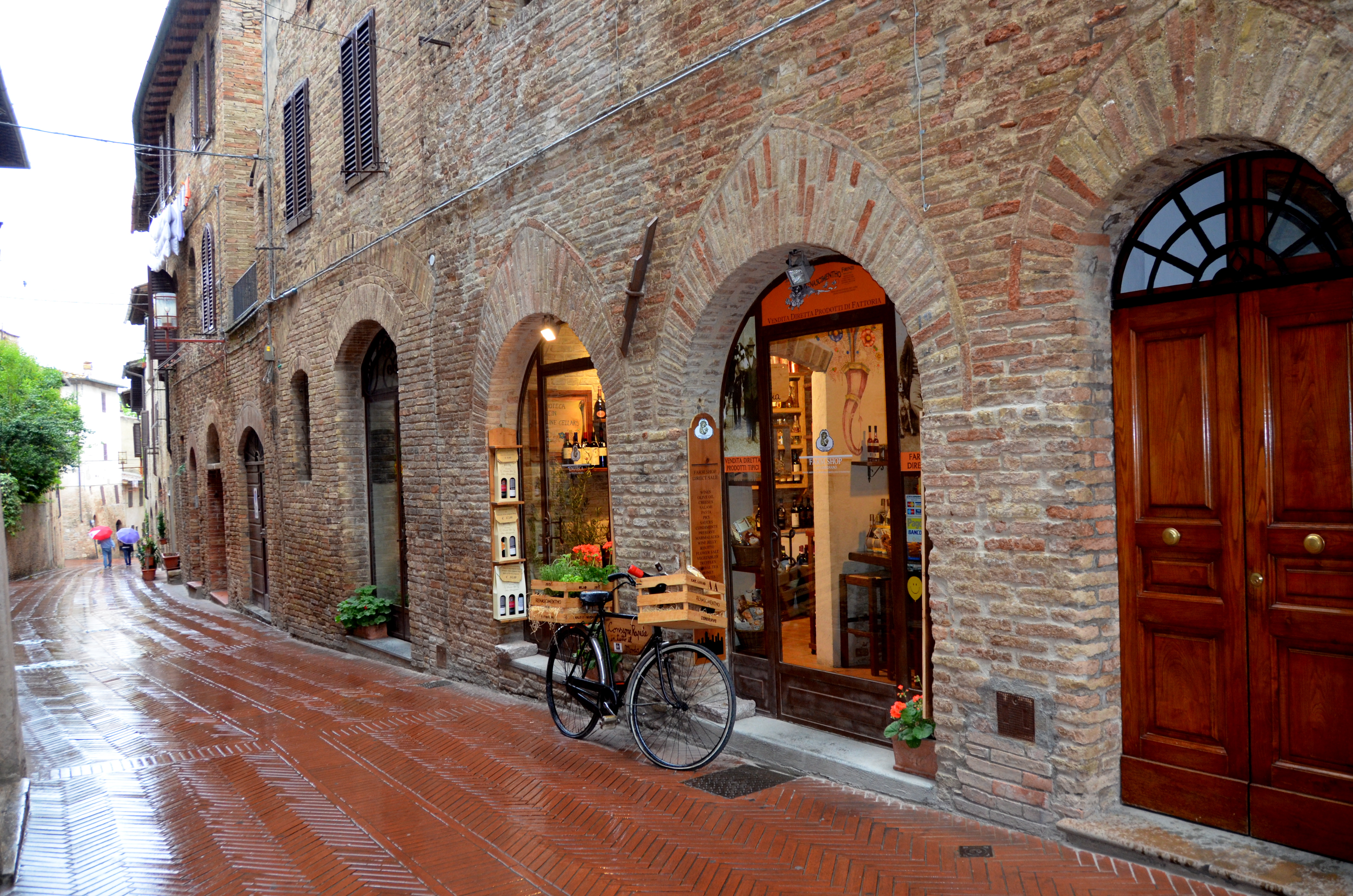
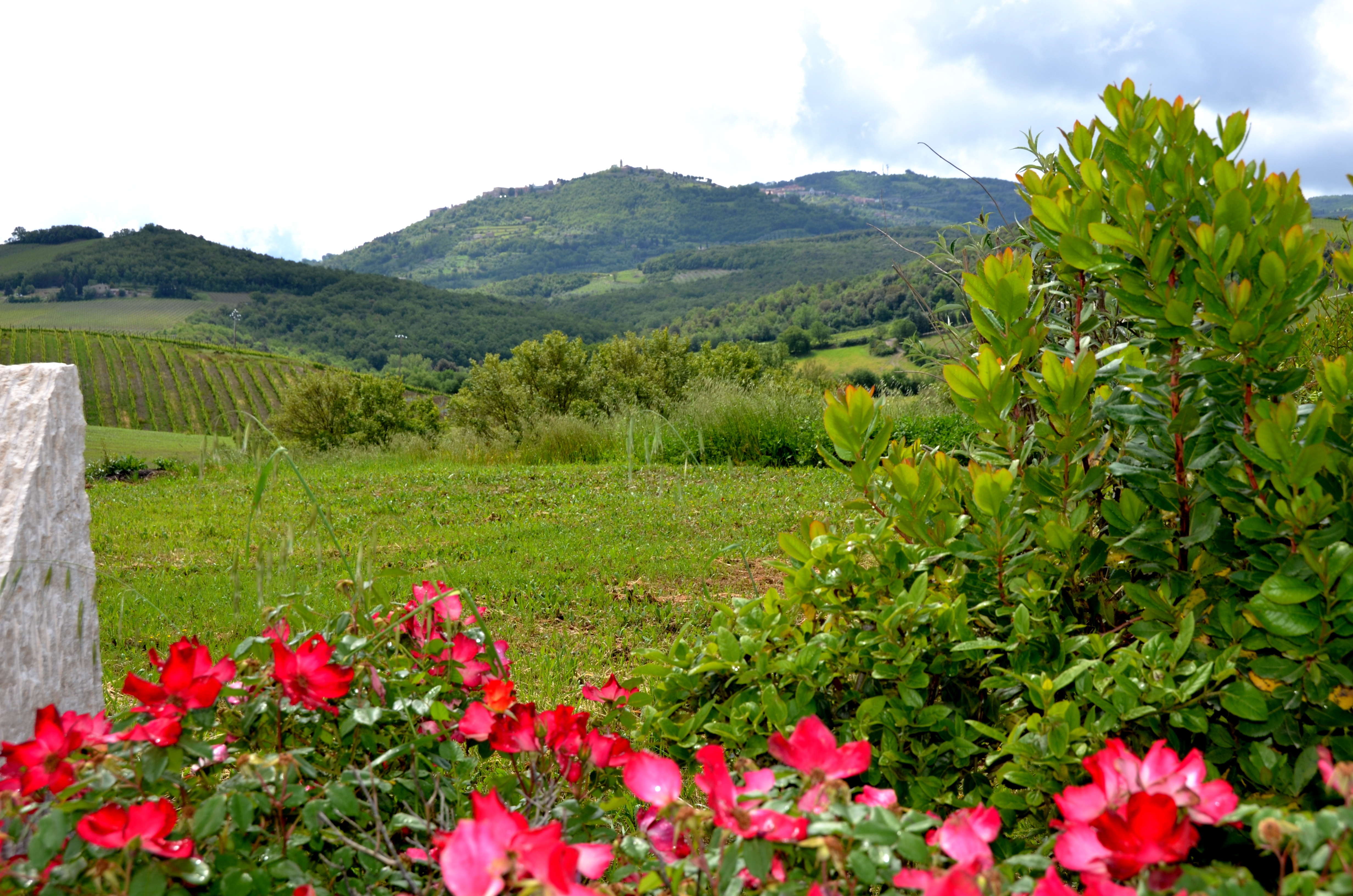
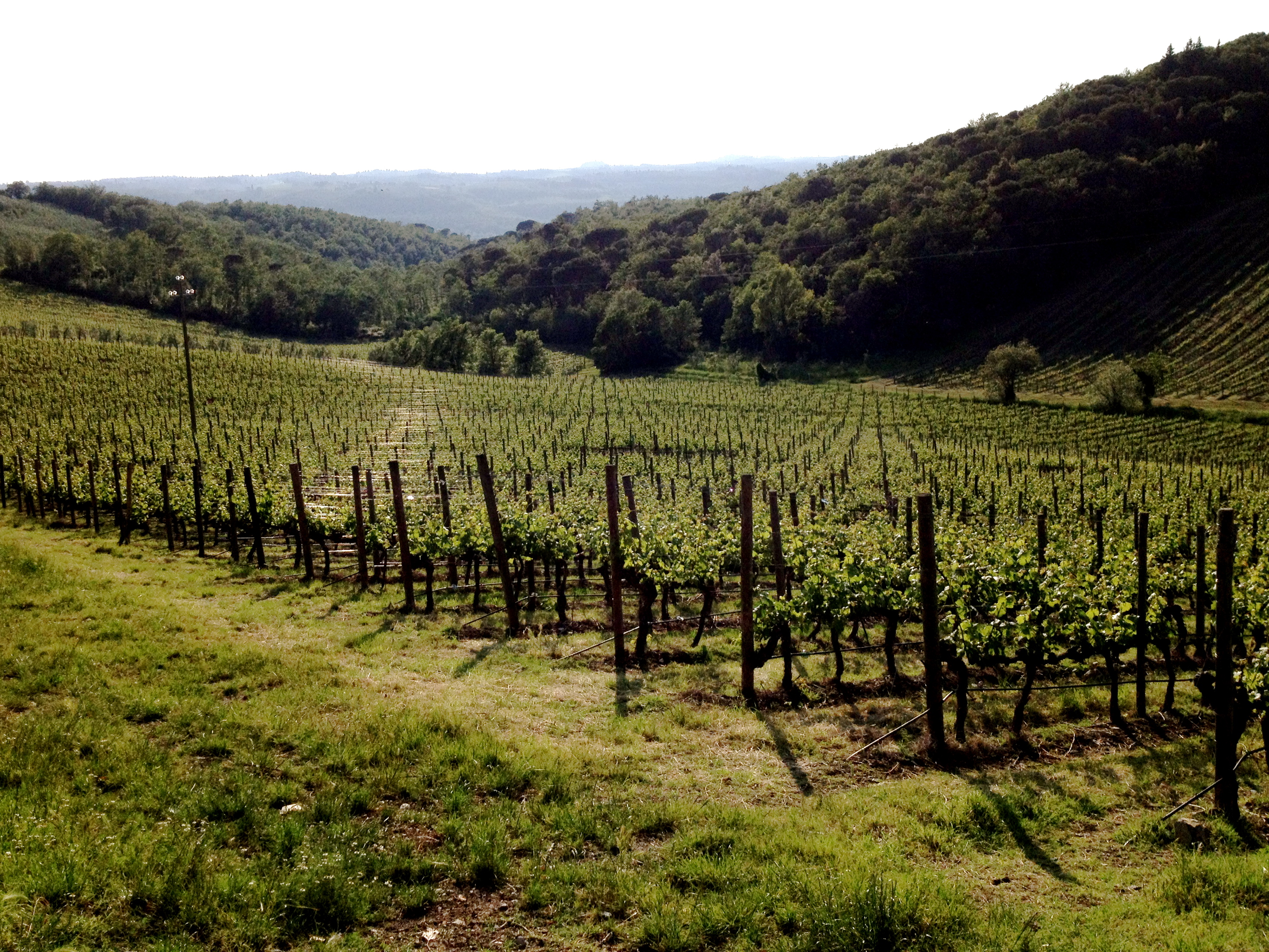
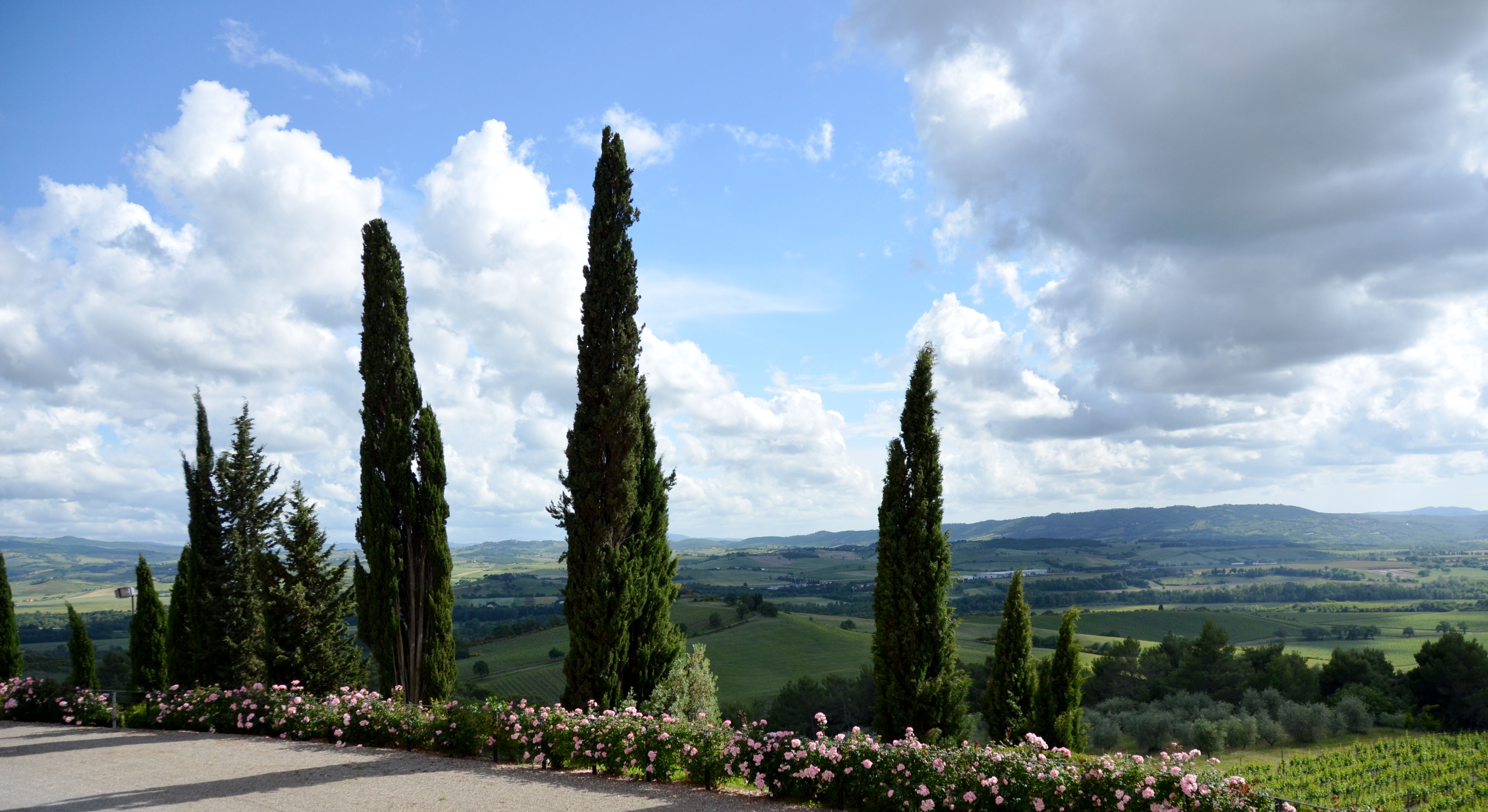
3 Photos, Tuscany Revealed

Roman Quickie

Prior to a holiday in the Italian countryside, I opted for a few days in the eternally everything city of Rome. Not my first rodeo on the city’s tourist track, I elected to visit some quintessential sites along the well-trodden Appian before scouting the local haunts.

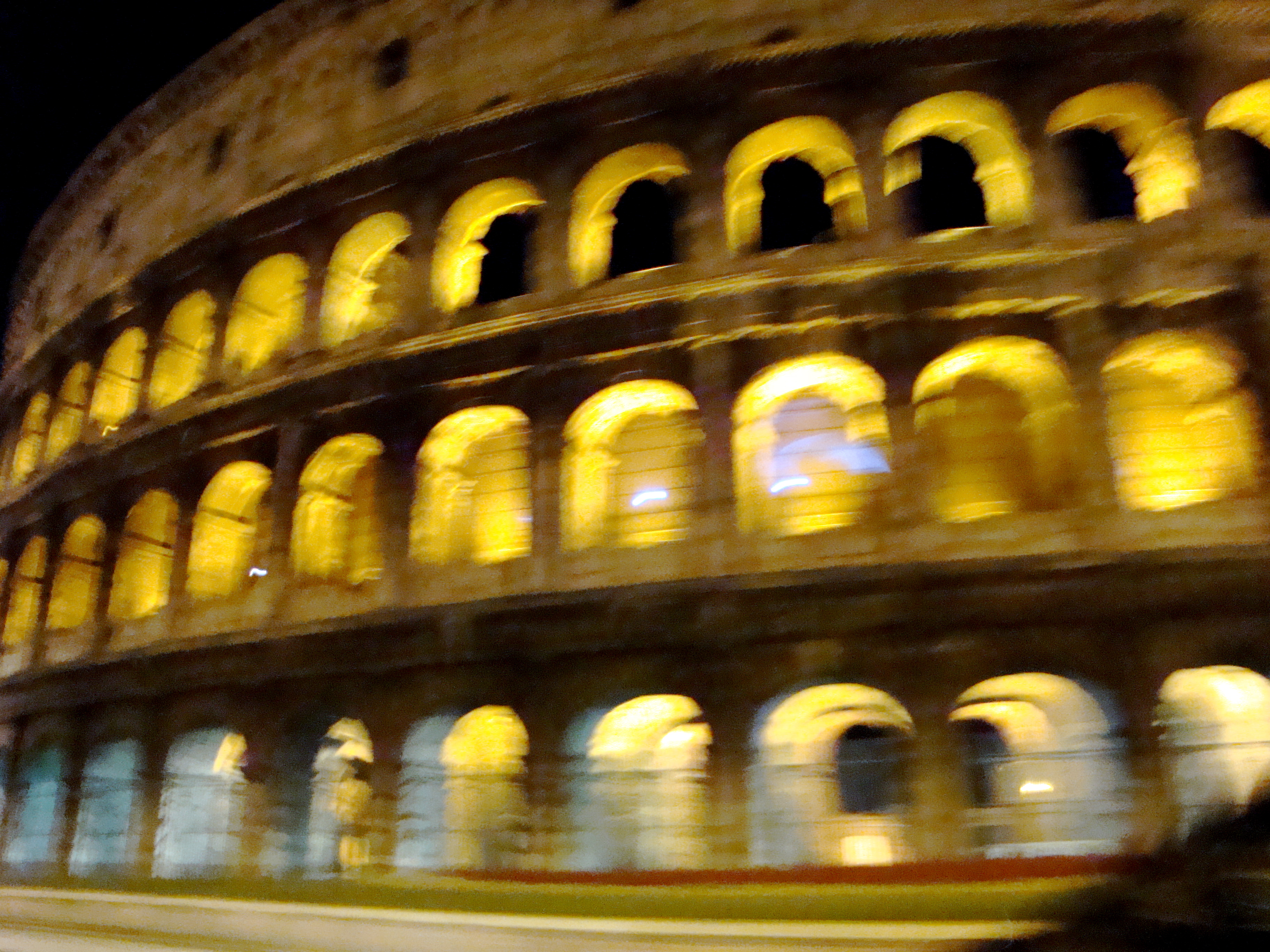
Colosseum

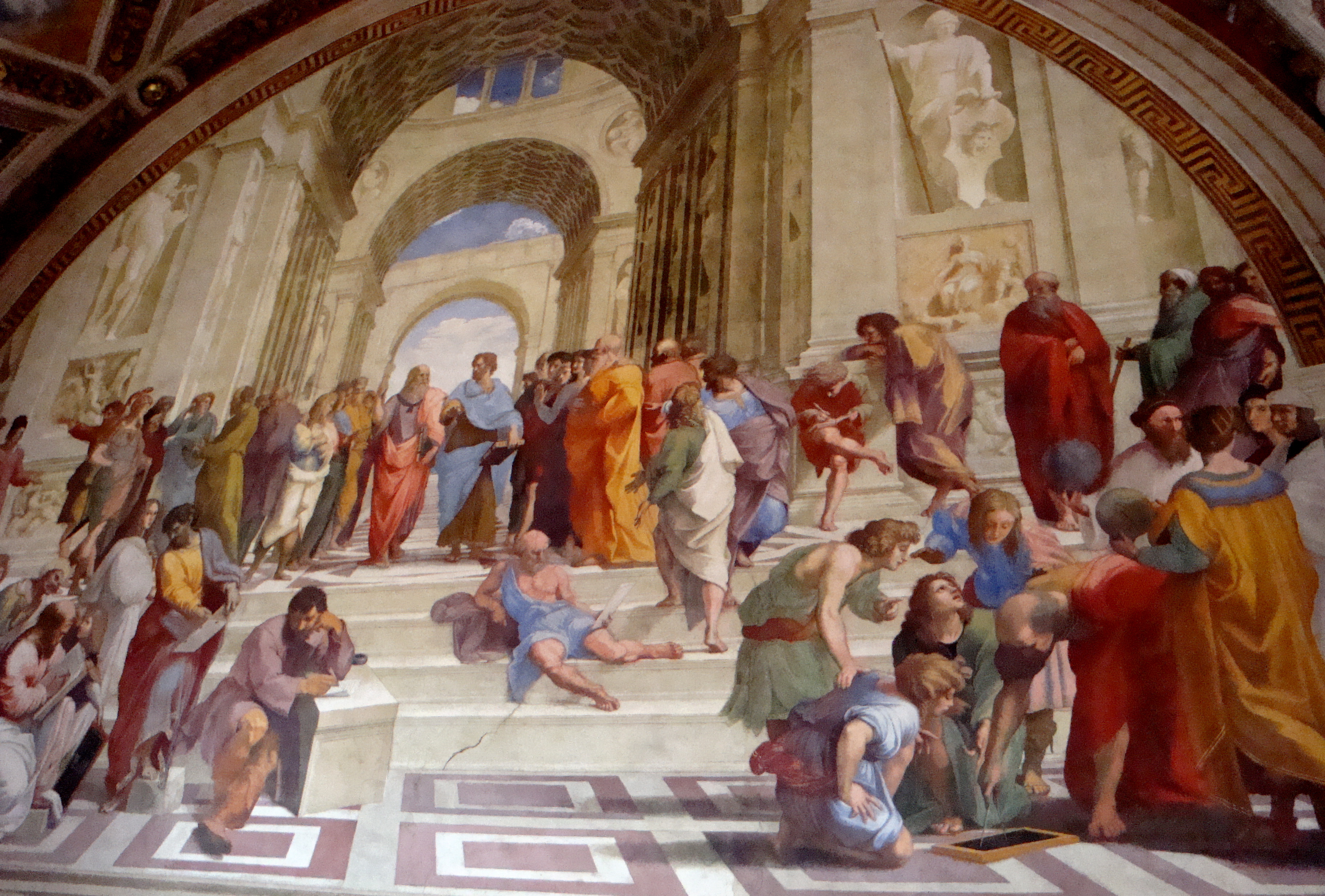
First on the must-see-again list is Vatican City. Regardless of your religious preference, spending a few pleasurable hours seeking out the Masters’ works in painting and sculpture should not be missed. Beauty emanates throughout the museum’s ornate hallways from mosaic floors to gilded ceilings.

School of Athens ~ Raphael

Post-art intoxication, pick a neighbourhood to explore like trendy Tridente. Enjoy a gelato whilst window shopping for the latest fashions on display in the area’s designer boutiques.

Gelateria… stracciatella per favore!

Meander down the stylish Via Condotti towards the crowd-filled Spanish Steps. As evening descends unwind with cocktails and a view at the Hi-Res bar in Hotel Valadier, which could compete with the best of L.A.’s see-and-be-scene. Prosecco darling?

Hi-Res Bar

Before you leave, remember to toss a few coins in Trevi fountain. It’s a must. Oh Rome, you are a feast for my eyes and sweet nectar for my soul.

Fontana di Trevi

Seven myths about Ethiopia

There’s an Ethiopian proverb that ponders, “To lie about a far country is easy.”

Despite our increasingly globally accessible world, few destinations have remained geographically or culturally remote however the country once known as Abyssinia is one such place. Whether through designed untruths or unintentional omissions, my impression of Ethiopia was clear and defined prior to arrival and it was unexpectedly inaccurate. To lie about the unknown is easy and I’d been misled about this sub-Saharan country –­­ seven myths revealed:

1.      Ethiopia is poor, period.

There’s more to Ethiopia than poverty but let’s deal with the money problems first. In terms of per capita income (ppp) Ethiopia is one of the world’s poorest nations with the average wage equal to $80 per month. I certainly can’t live on that in London however in perspective that figure converts to roughly 1,400 Birr which would buy basic necessities each month. Plus consider a coffee can cost $3.00,  £3.00 or 3 Birr depending on your location suggesting it’s an affordable item for most. In general the lower an area’s cost of living the easier to live simply on a small income. Inequality becomes more visible with luxury items such as anything handmade or bespoke and with imported, manufactured goods. For example a small household clothes iron made in China costs 750 Birr (an item you’d never buy at $750) meaning I’d question the absolute need for pressed shirts.

In ways more valuable than financial, Ethiopia is rich. It has a wealth of natural and cultural history and many religious sites. It’s extremely diverse with 80 unique ethnic groups, 84 indigenous languages and 200 dialects. There is varied topography, stunning scenery and amazing endemic vegetation and wildlife. All this in a country just twice the size of Texas.
Exploring Lalibela's rock churches

You can even find a bit of luxury in Ethiopia especially in the capital city. I stayed in Addis Ababa’s beautiful Radisson Blu Hotel and Resort which opened in January 2012. The Blu hosted 11 Presidents during the African Union Summit and is quite the opposite of poor.
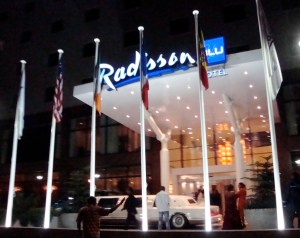
Newly opened Radisson Blu

2.      Ethiopia is dangerous.

Apparently the Horn of Africa is a bad neighbourhood. Both the US and UK travel advisory posted: Travel to the Eritrean border area should be avoided. The border itself is permanently closed. The Somali, Kenyan and Sudanese borders are also very dangerous, and any travel by road across these frontiers should be reconsidered.

Ok, that’s not inviting. Anyone traveling in an unfamiliar area should be cautious however I’ve personally felt more imminent and immediate danger in seedy parts of South London and East Los Angeles. Ethiopia is safe and Ethiopians I encountered were polite, gracious, generous and soft-spoken with lovely inter-personal traditions of gratitude and affection. I genuinely had the sense that locals are inclined to protect visitors. For example one night while taking an overcrowded line-taxi (called a blue donkey) back to our hotel the attendant called out stops along the route but we missed our destination. The entire van of passengers admonished the attendant for not doing his duty then they were only satisfied when we’d definitively been helped in the right direction.

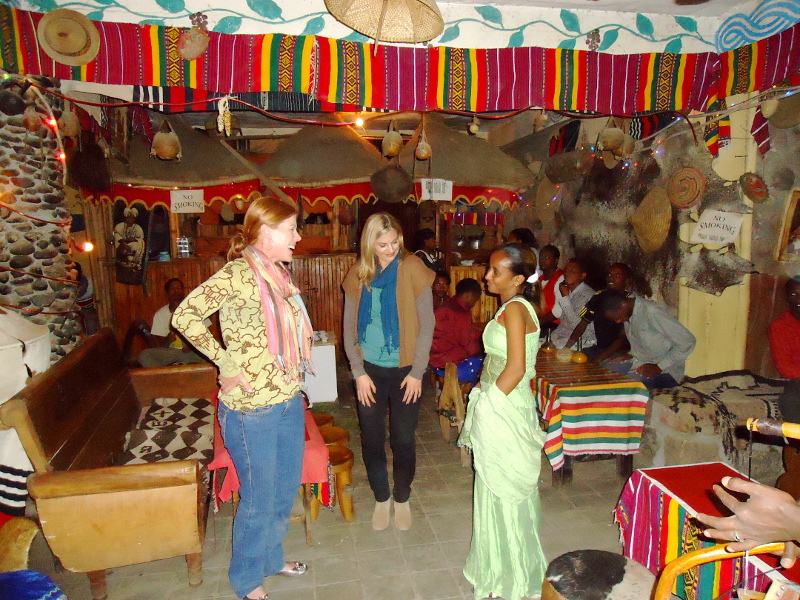
Another evening we were strolling down a lonely dirt path towards a local Tej House (tej is honey wine) and were greeted by a small girl. After a moment of saying hello in Amharic and English she spun around on her little bare toes and ran down the lane announcing our arrival by screaming at the top of her tiny lungs “f e r e n j ooooh s” aka “foreigners!” Despite the country’s ethnic diversity, in many towns seeing non-Africans is a novelty so I often felt like a curiosity not a crime target.
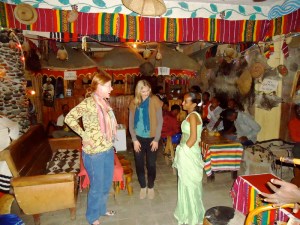
Learning local dance at the Tej House

3.      Ethiopia is dry and desolate.

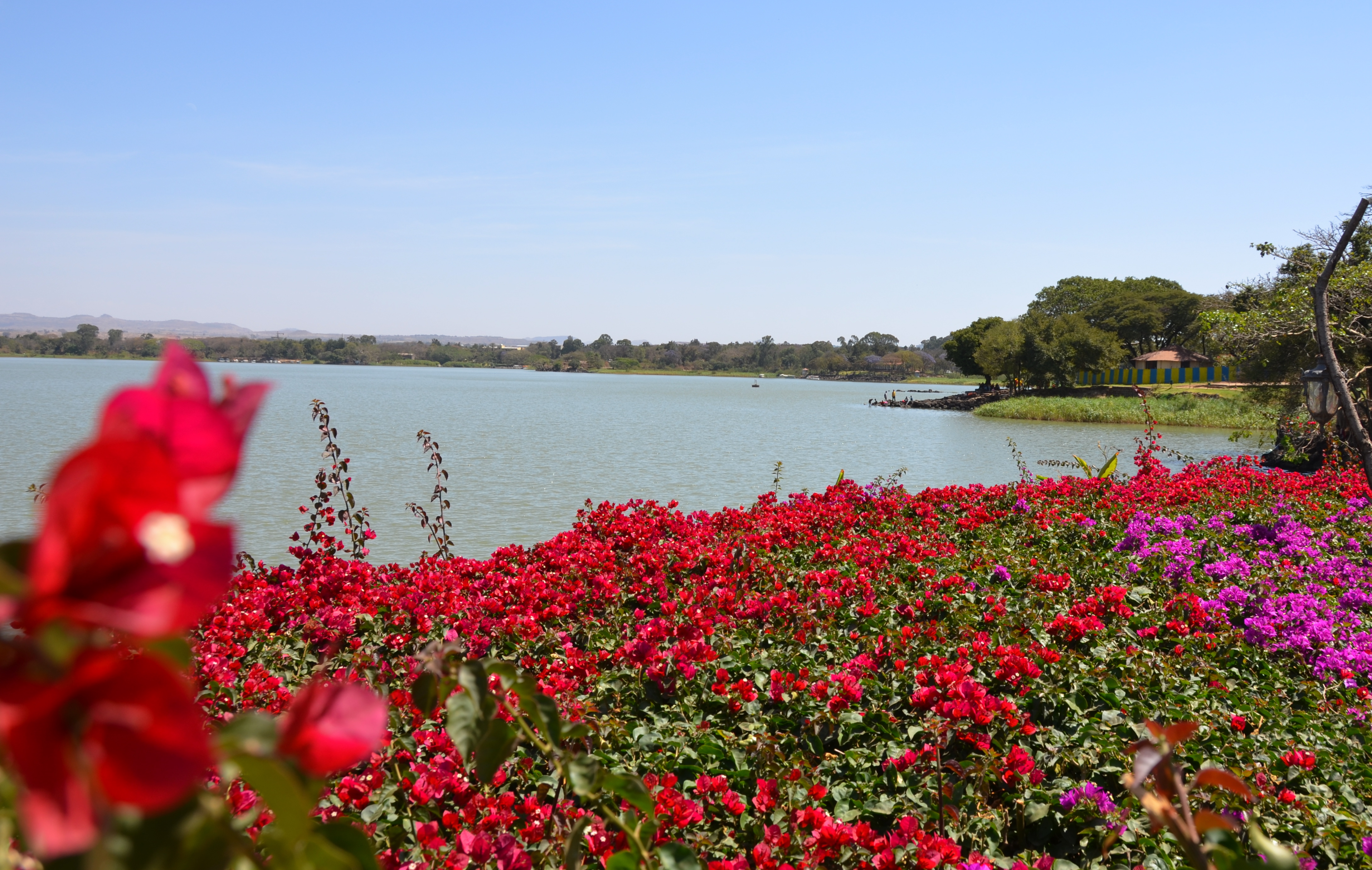
Persistent images of draught and famine plague our perceptions, despite the green and fertile plateau where Ethiopia is situated and most of the population live. There are two seasons, dry and wet; there is an issue with water but lack of it is not it.
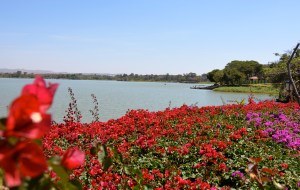
Lake Tana

4.      Ethiopians are skinny and fast.

No evidence I found suggests this isn’t true. Of course not every Ethiopian is a thin world-record holding distance runner however equator-level-heat and high elevations demand maximum oxygen efficiency and large lung capacity, which coupled with the requirement to walk almost everywhere means this stereotype may be inevitably correct. Ethiopians are also strikingly beautiful. Known within Africa for lovely hair and voluminous hair-styles, they are further blessed with genetically elegant bone structure and engaging smiles.

Meeting students in Bahir Dar

5.      Nothing good comes from Ethiopia.

Wrong. Here are just three Ethiopian donations to the world.

One. With dedicated restaurants, an accolade attributed to few countries, Ethiopian food is served around the world. Its cuisine consists of various stews called wat served atop injera, a large, greyish sourdough flatbread made of teff flour. Eating local-style includes one shared dish centre table sans utensils using injera to scoop up the entrées.
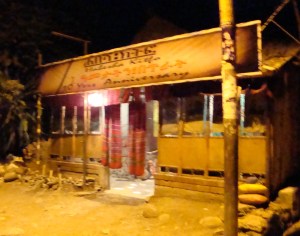
Best restaurant in Gonder

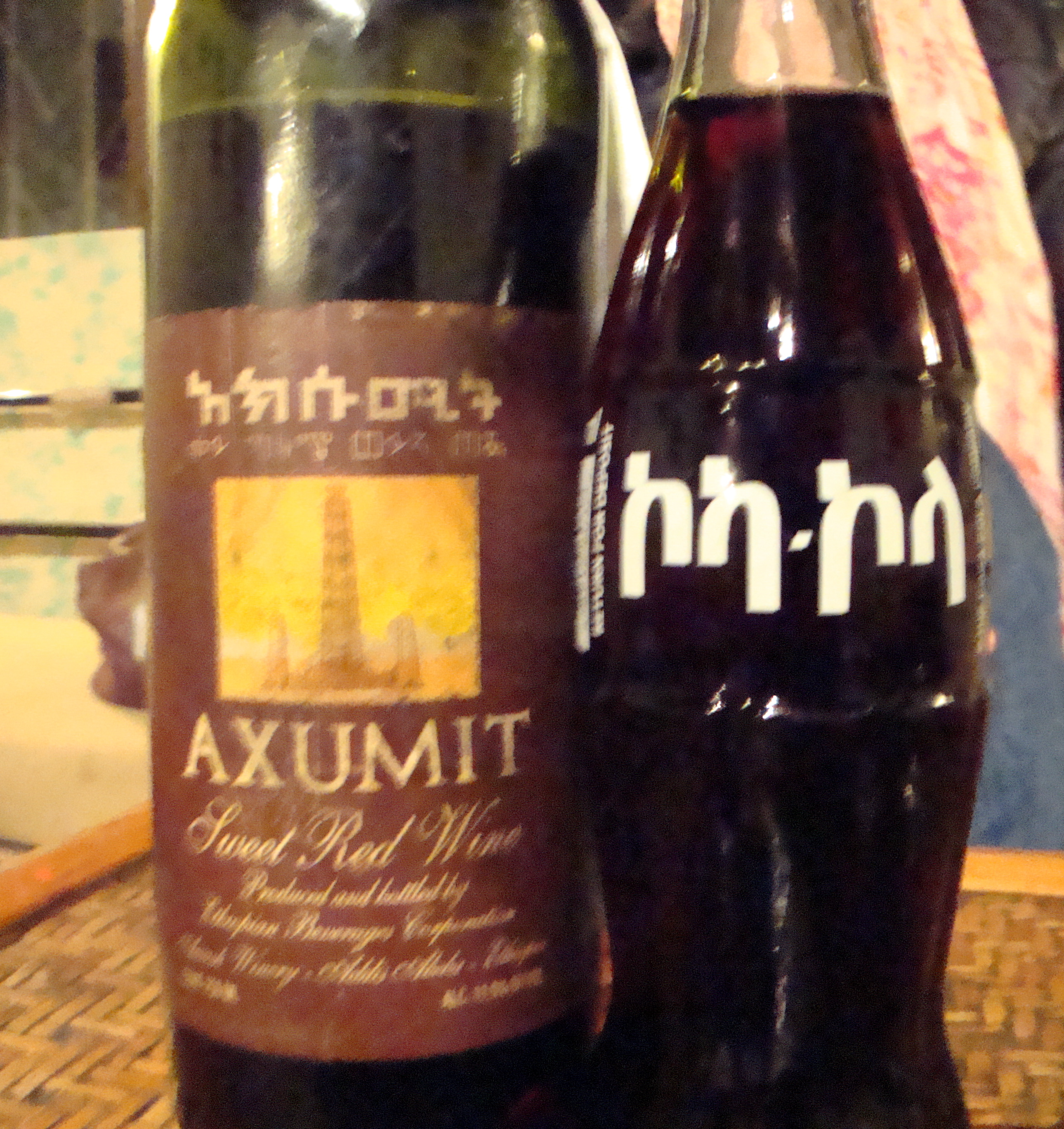
A celebratory dinner for three included eggs scrambled, local cheese, tibs (grilled meat), kitfo (raw-minced beef) and red wine mixed with Coke, and cost 100 Birr ($5.00).
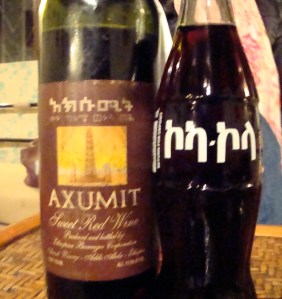
Red wine and coke

Two. Ethiopia is the spiritual homeland of the Rastafari movement whose adherents believe Ethiopia is Zion and have globalized the tricolours of the Ethiopian flag. The religion is named after Ethiopia’s last emperor, an Orthodox Christian. His birth name was Tafari Makonnen which he changed after his coronation from Regent Prince (or Ras) Tafari to Emperor Haile Selassie.

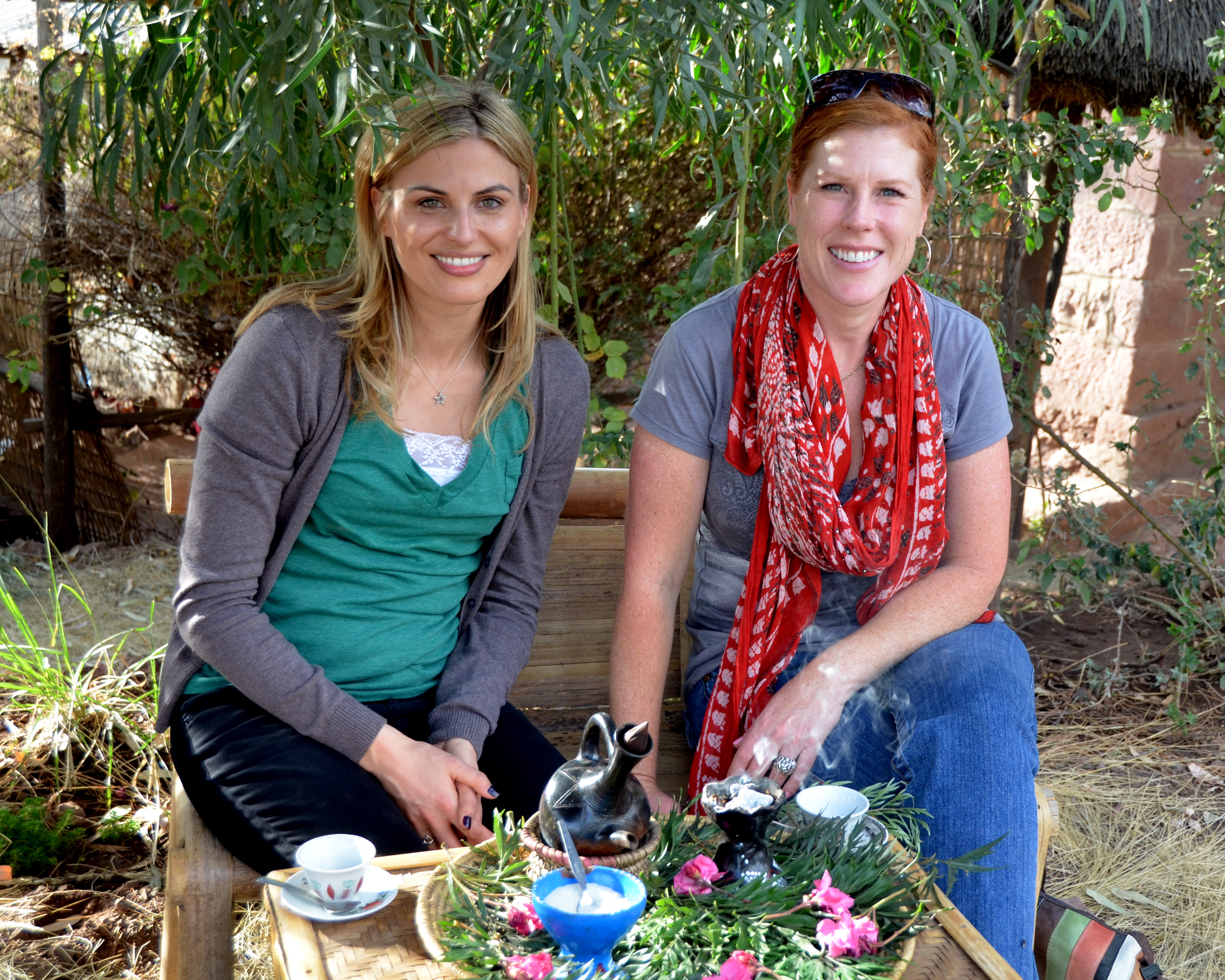
Three. Ethiopia is the original source of the coffee bean and coffee is the country’s largest exported commodity. On behalf of my java addiction, thank you.
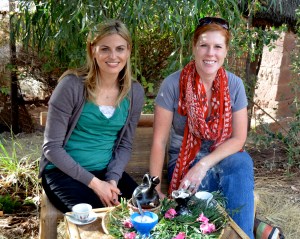
Traditional coffee "buna" ceremony

6.      Independence saved Ethiopia.

Ethiopians are proud of their independence as one of the few African countries to escape occupation. National pride veils strong self-identity, after all this is a country that expelled all non-Ethiopians for almost 200 years preferring to progress without interference. I’m not a proponent of colonialism but consider its unintended merits such as capitalizing on the achievements of your oppressor as Britain did with Rome and both America and India with the British Empire. In contrast Ethiopia has 14 major rivers and the greatest water reserves in Africa yet there are few (I didn’t see any) irrigation systems. Presumably established basic infrastructure, like railway systems or extensive paved roads to inter-connect the country’s food supply and consumer goods, is all but non-existent.

Picture Ethiopia thousands of years ago. People lived in wood or mud huts with thatched roofs. Fast forward to today and not much has changed; most Ethiopians are subsistence farmers, living in villages with no indoor plumbing and limited electricity. This lack of advancement contributes to Ethiopia’s main health problem, communicable diseases caused by poor sanitation and malnutrition. Sadly, life expectancy is only 55 years old and worse the myriad of diseases are largely preventable and curable in the west. If I was Ethiopia’s President I would take applications from the world’s wealthiest nations then request colony-status for at least a decade.
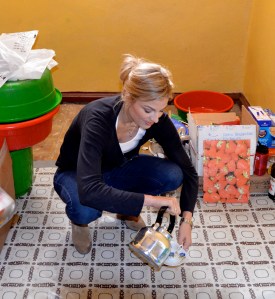
Making coffee in the kitchen

7.      “We” can fix Ethiopia.

This is the biggest myth of all. Do “we” have a moral obligation to identify why Ethiopia is still one of the poorest countries in the world? Probably, but the truth is Ethiopia receives billions of dollars every year in foreign aid and the free stuff doesn’t end there. In addition to food and clothes sent from various charities and NGOs, hundreds of volunteers donate their time and expertise in the areas of public health and economic development. It seems ridiculous that the county is perpetually underdeveloped. Perhaps controversial, I’d argue when people see you as charity and give you money because you ask or beg, you create a cyclical culture of dependency that buys someone a fish instead of teaching them how. That must impact your sense of pride and motivation to fix your own problems coupled with building resentment for being told what to do especially if the giver has some control or implied-domination over the recipient. Otherwise next time I see Richard Branson or Mark Zuckerberg in the street I’m asking for a grand. Better yet, if I ever cross paths with someone from Qatar or Liechtenstein (countries with the highest global per capita income), I’m asking for something.
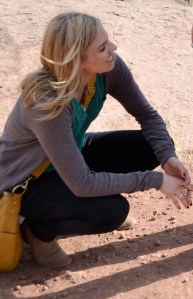
Looking at Lalibela's Bet Giyorgis (in a familiar position)

What annoys me most about endless campaigns and mindless-celebrity-mouthpieces telling me to send money is that it’s not helping. Where is the end point of the donated time, talent and cash because it seems to be conserving a way of life that is hundreds of years behind much of the world. Preserving traditions should be a choice not the absence of it. Perhaps a flushing toilet is not an inalienable right, however I am sure that doing your laundry by hand and bathing in a bucket are not progress.

Although I believe you shouldn’t impose your own values on another culture and rather observe and learn without intervention or judgment, it turns out I can’t. I wish Ethiopians could exercise freedom of speech. I wish women were valued, not forced to be child-brides, or have health complications due to rampant genital mutilation or obstetric fistula. Horrific practices continue despite rights granted to the populace via the Ethiopian constitution. Even the poor treatment of animals left me standing in jaw-dropped shock. Attitudes and behaviour change slowly but hopefully, eventually evolve.

The most famous Ethiopian proverb tells us, “slowly by slowly the egg will grow legs and walk.” That’s a good one. That’s how Ethiopians see their future. For me, Ethiopia is not what I expected. Physically and mentally it chewed me up and spit me out because it’s both terrible and wonderful (like many places) but I will do something for Ethiopia. I’ll be a tourist and re-visit the historically rich, environmentally diverse country with lovely traditions and beautiful people. I’ll also remember progress continues slowly by slowly.
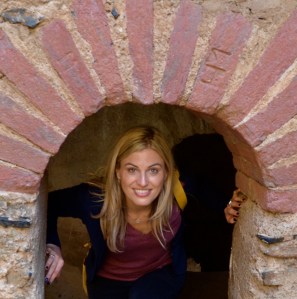
Fasil Castle in Gonder
Ethiopia ~ ready or not there I go.

Spain. Croatia. Burma, Thailand and Taiwan. These are a few of 2012’s top travel destinations but not being one for convention, I fly to Ethiopia tomorrow. From my initial research I’m already fascinated by this sub-Saharan country for several reasons. For starters the Rift Valley is known as the cradle of civilization and Ethiopia is home to Lucy’s 3.5-million-year-old bones. In an unassuming church in the northern town of Axum, I’ll find the Ark of the Covenant that Moses used to safeguard the God-given ten commandments. It’s arrival in Ethiopia is like the infamous Queen of Sheba’s visit to the court of King Solomon; legend and myth flirting with vague historical fact. Then there’s Ethiopian time-keeping for people like me who abhor constraints of custom and practice in marking time. Ethiopians shifted the start of their daily clock so what I think of as midnight will be 6:00AM;  an Ethiopian year has 13-months and is based on a hybrid of Julian and Coptic calendars; the country only recently observed new year’s day 2004 (e.g. good luck getting picked up on-time from the airport but happily you’ll be eight years younger).

According to the Federal Democratic Republic of Ethiopia’s official embassy website, there are many compelling reasons to hop a flight to capital city Addis Ababa. Truthfully I’m going to visit my dear friend Karin who joined the Peace Corps and is a volunteer on assignment for two years in Fitche, a small town 2800 meters (9000 feet) above sea level in the Ethiopian highlands. Listening to her stories safely perched in my cozy north London flat I’m overwhelmed with gratitude that’s shadowed with shame as I sip bottled water or worse, spritz with my beloved Avène re-hydration facial tonic—yes, I realize it’s only water spray but it’s calming and refreshing. Don’t judge me.

Historical and cultural highlights aside Ethiopia has serious economic woes and in England today there’s a highly publicized East African appeal due to the most recent drought and famine. I thought we did that, fixed that a while ago, but UK charities are on an emergency fund-raising campaign despite Ethiopia being one of the largest recipients of foreign aid with sketchy figures reaching up to 3.9 billion US dollars annually. In fact for decades Ethiopia’s collected millions upon billions and a mere 23% of this official development assistance money (ODA) is spent on humanitarian aid. With such a cash-rich pipeline of ODA what has been developed and how is Ethiopia still one of the five poorest countries in the world? Admittedly if I wasn’t personally sending aid in the form of glossy mags and sweets, my fleeting interest while skimming an article on the subject would probably last as long as my soy latte.

In Ethiopian current affairs, several tourists near the Eritrea border were attacked and abducted last week, five were killed. Although this bit of (under-reported) news has me in a state of semi-queasy anticipation neither the UK Foreign Office nor US State Department have issued travel restrictions except near the border regions. The FCO does mention a general threat of indiscriminate terrorism along with a reminder for foreigners to be vigilant at all times. Wonderful. I’m going anyway. I want to know more about Ethiopia. First though I’d like to find out what Ethiopian Air serves for their in-flight meal service (cue bad jokes from the 80s).
If you’re interested in reading about Karin’s life in Ethiopia, visit her blog: www.earningmykeep.com.


London Nightscapes: Parliament, Big Ben, River Thames

London puts on a show for Christmas. We have Trafalgar Square’s giant Norwegian Spruce, the glamorous glitz of Oxford Street bursting with lights, a Winter Wonderland extravaganza in Hyde Park, and various “traditional German” Christmas markets. Multi-cultural Londoners universally wish each other “Happy Christmas” bidding glad tidings and good-will to one and all. When I recently visited the Christmas market held on London’s South Bank, it was one beautiful night in the capital. Here are my seven favourite photos.

~ Season’s Greetings from merry old England 

This slideshow requires JavaScript.

Getting Christmas-y in Prague

Germany and Austria reign supreme among Europe’s best traditional Christmas markets, however Prague is consistently a top ten pre-Noël destination in part for its atmosphere, market food, and Bohemian crafts, but more-so for the quaint picturesque city that has been proclaimed a UNESCO World Heritage Site. Ever since I saw Tom Cruise dashing through Prague’s postcard framed streets in the film Mission: Impossible, I planned to visit the city that seemed to have captured an aura of romance, elegance, and beauty of a by-gone era. Prague does not disappoint.

History

The Czech Republic has a variant and tumultuous history for such a young European country. For quasi-historians like myself here is a very brief romp across the centuries. The area known as Bohemia was settled by and named after a Celtic tribe called the Boii. From early Slavic dynasties to the fourteenth century’s Golden Age, Prague developed into an important cultural centre and capital of the Holy Roman Empire. Wars, upheaval, Catholic Church versus Protestant Reformers, and the subsequent 300 years of Austrian-Habsburg Emperors. After World War I Czechoslovakia became an independent country in 1918 however the freedom of this first Republic ended abruptly in 1939 with German occupation. Nazi Protectorate then post-war communist Republic until 1968 when political liberal reforms known as “Prague Spring” (and I thought CNN coined that phrase this year) resulted in Soviet invasion and occupation. Not until 1989’s Velvet Revolution did Czechoslovakia’s dissidents defeat communism and democratic presidential elections followed. After an amicable “Velvet divorce” from Slovakia on 1st January 1993, the Czech Republic was born – the country is not old enough to legally drink alcohol in the US.

Today

Six million tourists a year visit the Czech Republic. According to guidebooks (Lonely Planet’s Encounters by Brett Atkinson was my favourite this trip) Prague has something for everyone – history, culture, art and architecture, music, clubs, and the famous Czech beer. Despite Prague’s recent reputation for a bit of debauchery, wild stag and trashy hen nights courtesy of cheap beer and budget airlines, it is not seedy and being mistaken for a working girl by taking a solo late-night stroll in Wenceslas Square is easily avoided. The four quarters that comprise central Prague each have a distinctive character; the historic Castle District (Hradčany), Lesser Quarter (Malá Strana), Old Town (Staré Město), and New Town (Nové Město). Buildings, bridges, and spires aplenty paint the town Gothic to Baroque, Renaissance to Art Nouveau. Everything is accessible via bus, tram or metro, but provided you have decent walking shoes it is better to wander through the cobblestone streets and explore hidden alleyways on foot.
Prague Christmas Market

Spring and summer are probably stunning and mid-winter with a blanket of snow must be magical but take the city centre– a European Norman Rockwell meets Thomas Kinkade painting– add decorative lights, Christmas trees, festive market faire and you have the charming Christmas markets in Prague. There are two main markets, Old Town Square and Wenceslas Square. King Wenceslas from the Christmas carol, “Good King Wenceslas came out on the feast of Stephen” (oh you know it) was in fact a Duke and a Czech patron saint. Hum that tune for a minute and already you’re in a festive mood. Shops and stalls sell all kinds of local crafts in varying levels of quality as you’d expect. I bought multi-coloured Bohemian crystal wine goblets and several bottles of Becherovka, a bitter-sweet herbal drink served as an aperitif or liqueur. If you like duck or pork based dishes, you are in for a real treat in the Czech Republic; roast pork served with dumplings and red cabbage is a national favourite. I opted for street stall dining; dinner for two cost less than £10.00 at the Old Town Square –including grog and mulled wine. For dessert a tubular sugar-crusted cake called trdelnik or trdlo. This special pastry is made by ever-so-carefully wrapping dough around a long wooden pole or “trdlo” and then roasted golden brown over an open fire. The hot tubes of crispy-outside-soft-inside baked cylinders are then rolled in a mixture of almond, sugar, and cinnamon powder. For an extra ten crown you can have Nutella spread around the inside. Delicious. To end the day, many churches and venues like the Municipal Building host classical concerts during the holiday season. It’s beginning to feel a lot like Christmas.

This slideshow requires JavaScript.

Enjoy a little of Prague at home – Have a Pilsner Urquell. Czech’s consume more beer (pivo) per person than any other country. Listen to Mozart and wish for someone to invent time travel. Mozart himself conducted at the premiere of Don Giovanni in 1787 and the legendary Casanova attended. Wish I was there. Be inspired to read or re-read The Trial by Franz Kafka, a Prague hometown literary hero.