“Are you going to the beach in Zürich?” one of my geography challenged co-workers asked. Luckily, the seaside was not a prerequisite when a friend and I were deciding on a European city-break to celebrate our mutually milestone-esque birthdays. We narrowed the field to Paris (obvious, always diverting), Frankfurt (she’s a former resident of the German-burg), Berlin (sexy, on the trendy side of edgy), Milan (Italy, enough said), and Zürich. Playing word association with “Switzerland” conjured notions of clocks and watches, chocolates and cheese, banking and piles of money kept discreetly in offshore secret bunkers, the actualization of neutrality, and the one famous Swiss guy − tennis legend Roger Federer; images punctuated with the majestic snow-capped Alps. We selected Zürich, Switzerland’s largest city, consistently voted a best place to live because of its wealth and high quality of life.
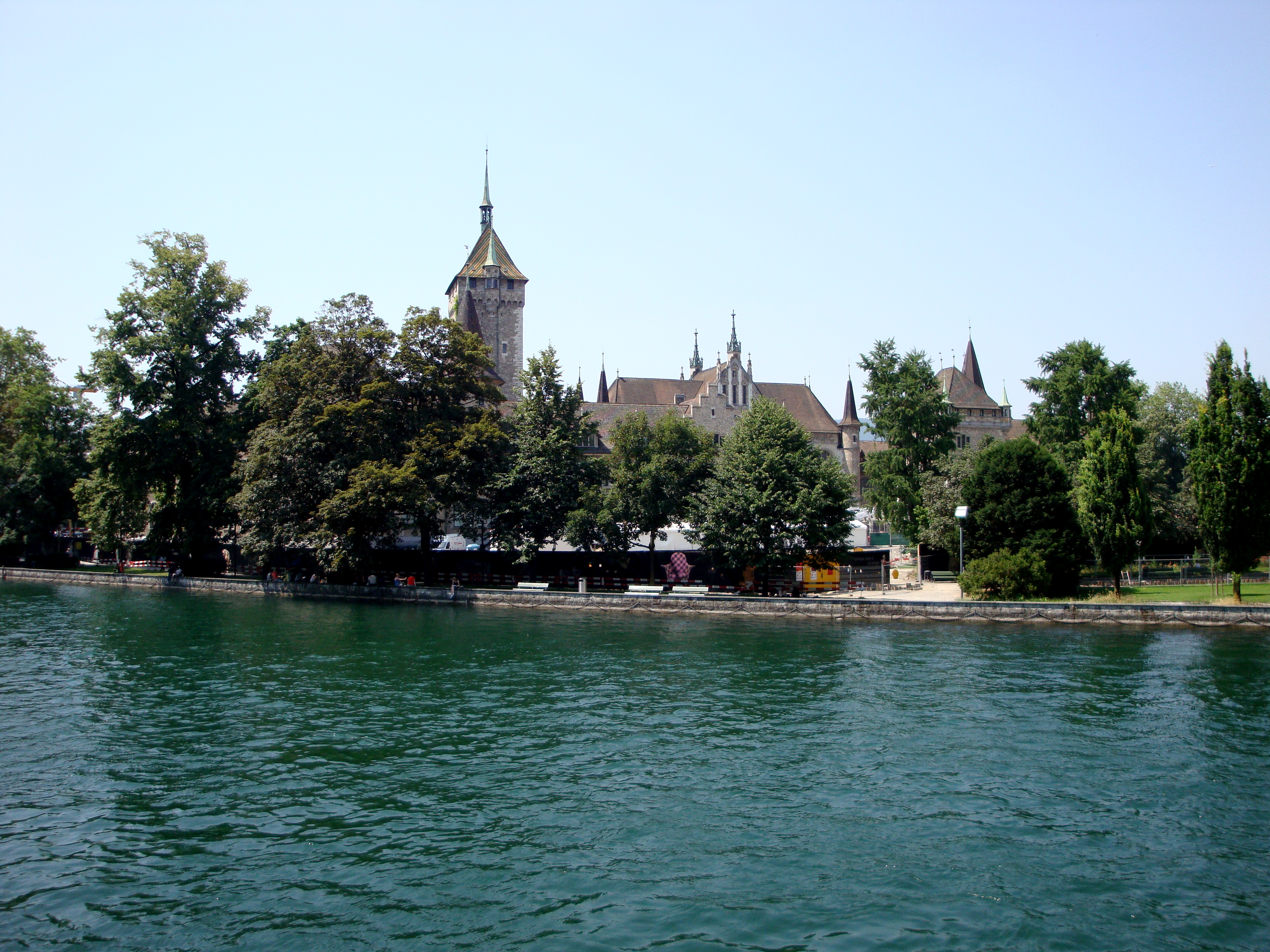
the Limmat River bisects Zürich flowing from Zürichsee Lake
If rich and exceedingly glamorous people flock via private yacht to St. Tropez or Marbella, more sensible glitzophiles with steady jobs and balance-free American Express cards land in Zürich. Here are my Top 3 city delights.
1. The dining experience.
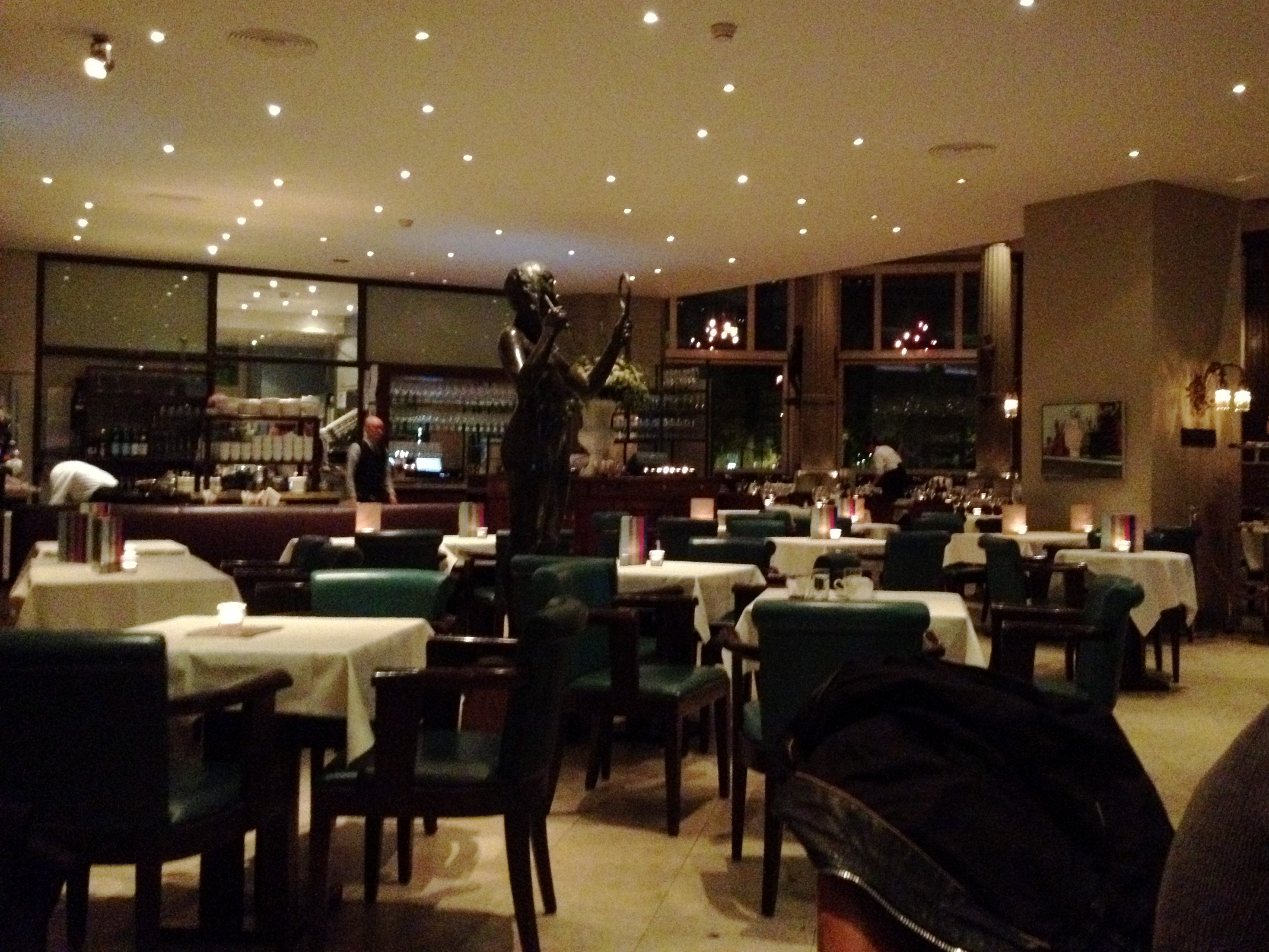
There is no shortage of choice for trendy, chic, nouveau, or old world restaurants housed in everything from 17th century guildhalls to renovated, re-designed industrial spaces. We had the pleasure of dining at LaSalle located in a converted shipbuilding factory. The lovely staff, rustic elegance, and luscious cocktails contribute to the restaurant’s charm along with the dining room’s open-and-airy, glass-filled ambiance all of which softens the distress for vegetarians who must turn the other cheek in this carnivore paradise. Bison, rabbit, and veal cravings can be quickly satisfied or for the more daring, horse fillet with garlic featured on the menu (horsemeat generously, or rather surprisingly, sourced from Canada and the USA).
after-dinner cocktails at Terrasse Café
Our second evening, dressed for dinner at Kronenhalle, we patronized without our diamonds and pearls and were subsequently relegated to a backroom table in this overly-conservative, stuffy local institution. Only the ability to view original artwork adorning the walls by Picasso, Matisse, Chagall, and Kandinsky, abated our feigned indignation.
Kronenhalle
2. The Spa experience.
I did mention birthdays and along with the calendar demarcation looms an annual contemplation of life. Although I have an inclination to revive the lost art of growing old gracefully, it is not counter-intuitive to another aspiration, namely, professionally-pampering my body. Switzerland has spas aplenty and claims some of the world’s best luxury spas and wellness resorts. We enjoyed the day spa at The Dolder Grand and left this hillside castle hotel feeling refreshed, relaxed, and ten-years younger.
hallway to spa heaven
3. The shopping experience.
Zürich has stylish little museums and galleries and the admirably clean, compact city allows ease of navigation through cobblestone streets to churches, courtyards, and riverside cafés. Personally, I prefer art and culture to shops and souvenirs but I confess to enjoying Bahnhofstrasse, the broad pedestrianized boulevard of endless retail options. In a daze of merchandize I succumbed to commercialism, purchasing insanely expensive shoes in the form of blue-suede-heels from Bally.
relaxing post-Bahnhofstrasse
Unquestionably a finance capital, Zürich residents vary across the spectrum from unabashed luxury sedan driving capitalists to young contemporary bike-riding artists; no one overly ostentatious and all seemingly enjoy Zürich’s high standard of living. Peering through a veneer of regulated Protestant-modesty, the city reverberates with comfort and affluence. Pleasant, sophisticated, and a river runs through it.
Grossmünster (Great Church) on Limmatquai
Notes from my Learn1 Thing a Day collection:
Switzerland has four national languages: French, German, Italian, and Romansch.
The abbreviation for the Swiss Franc, the country’s currency is CHF because Switzerland, is also known as Confoederatio Helvetica (Latin). The Helvetians were the first tribe to settle in this central European region.
“For all the gnomish bankers and uptight Protestant burghers, Zürich was never simply the soulless, spotless city of reputation, even if James Joyce claimed that if you spilled soup on the Bahnhofstrasse you could lick it up.” – Wallpaper City Guide
Oh yes! That was my answer when I was invited to a friend’s weeklong milestone-birthday celebration at a Tuscan villa. Although I have been to Italy numerous times over the years, I’d never been to Tuscany. Despite my love of all things Italian from coffee and pasta to art and history, in my recent travels I have exchanged Europe’s accessibility for more exotic far eastern locales. Still you would be crazy to decline a week in Tuscany, touted as one of the most beautifully romantic and vibrantly picturesque places on earth.
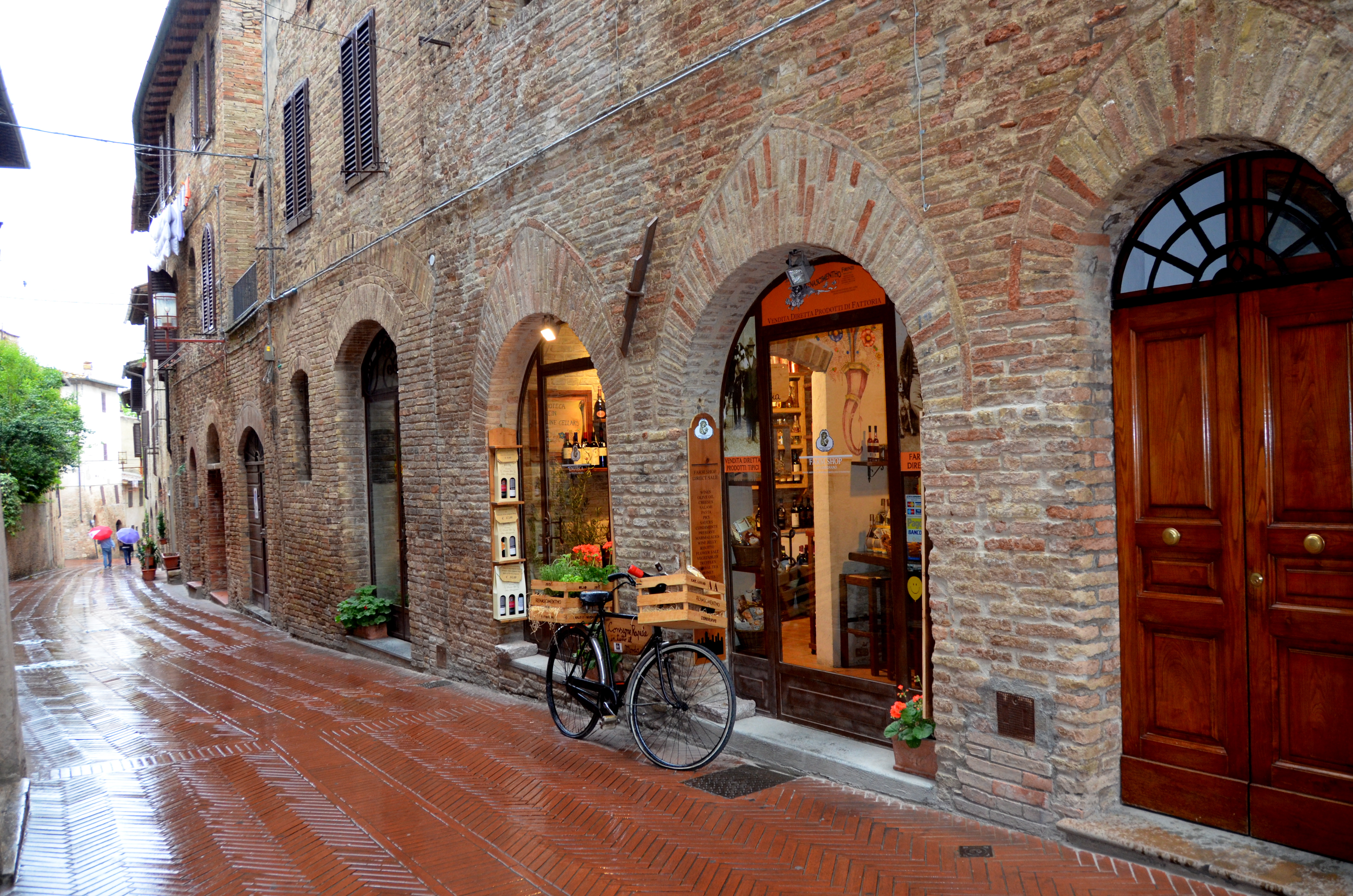
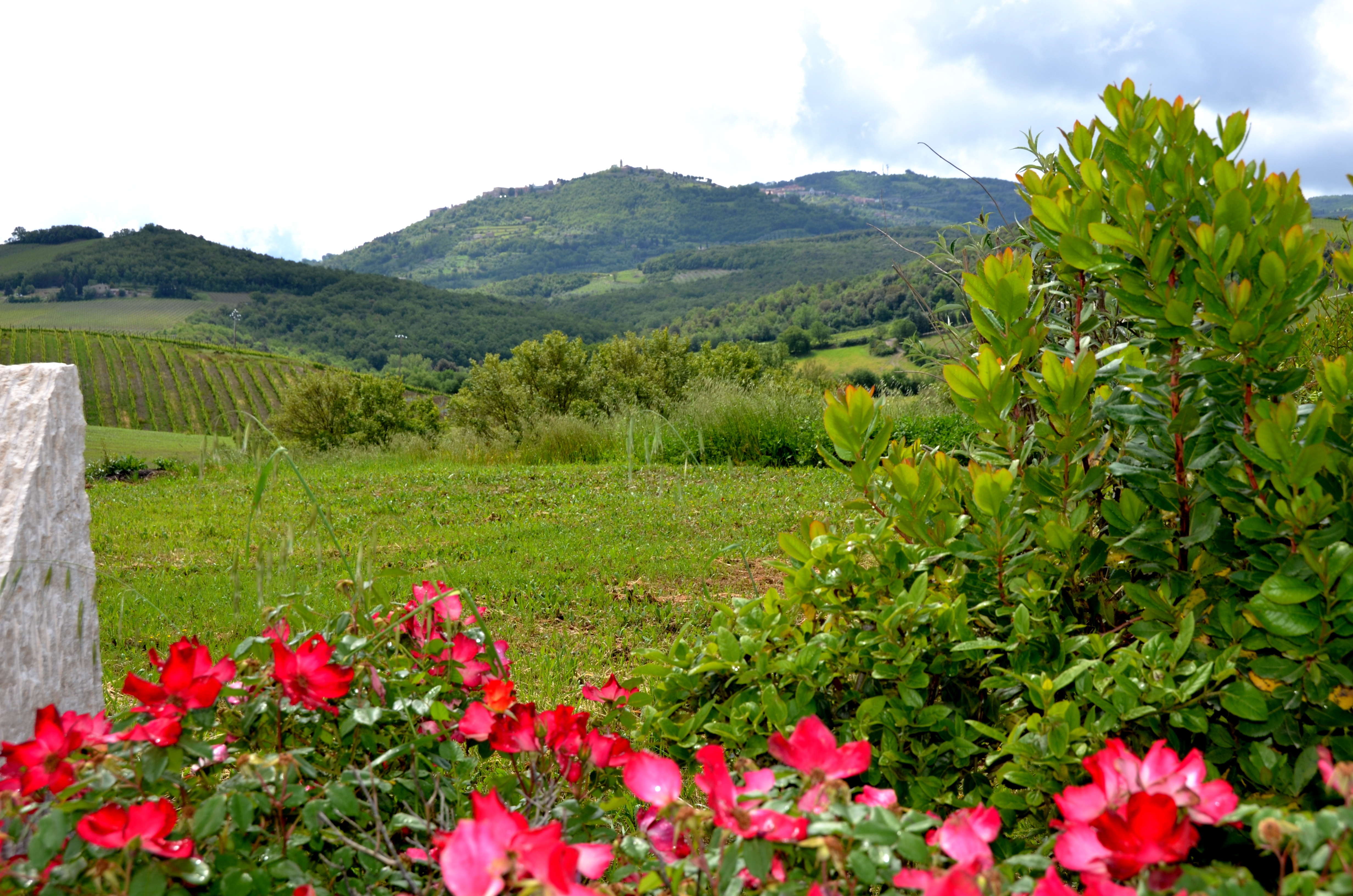
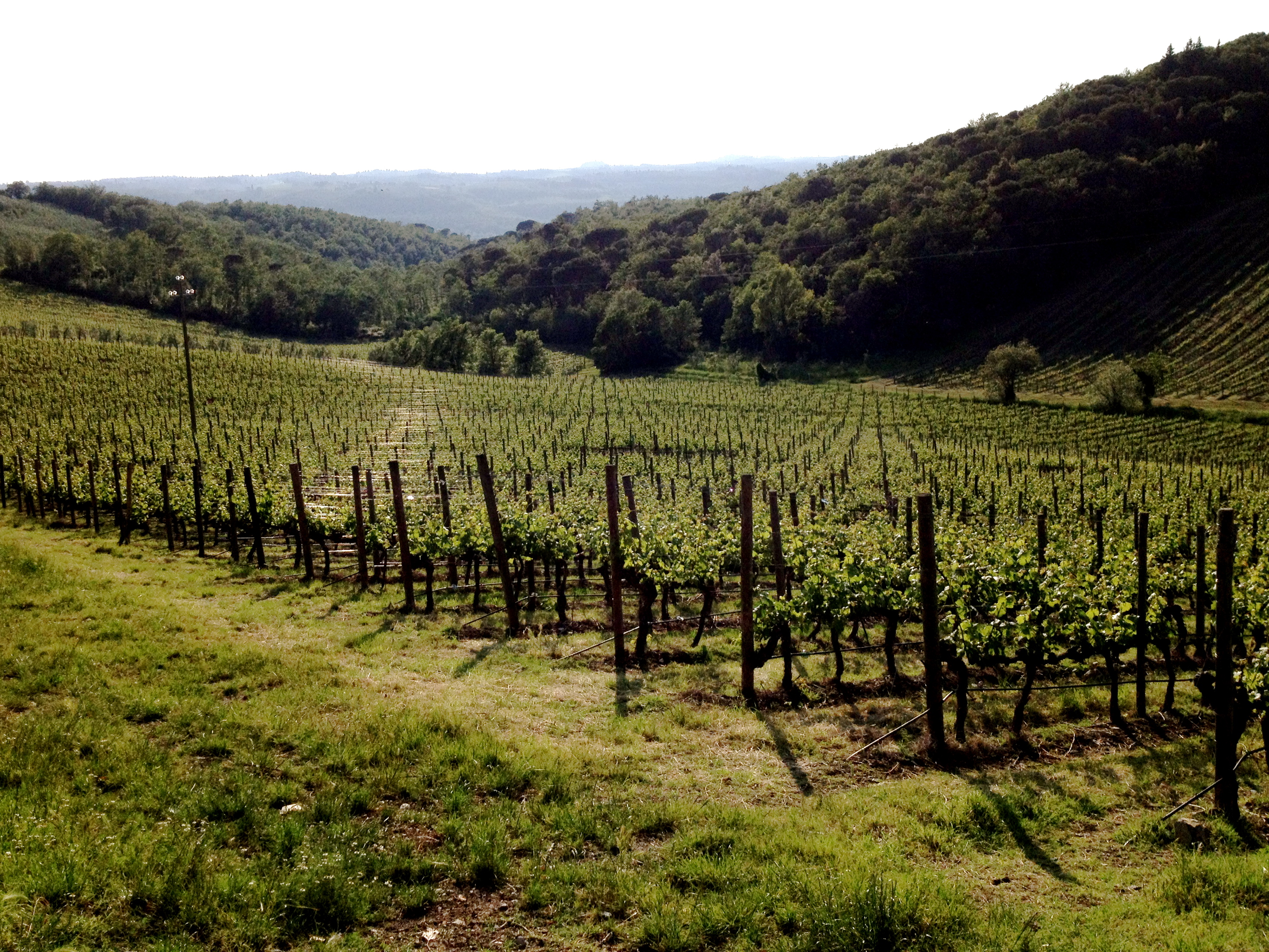
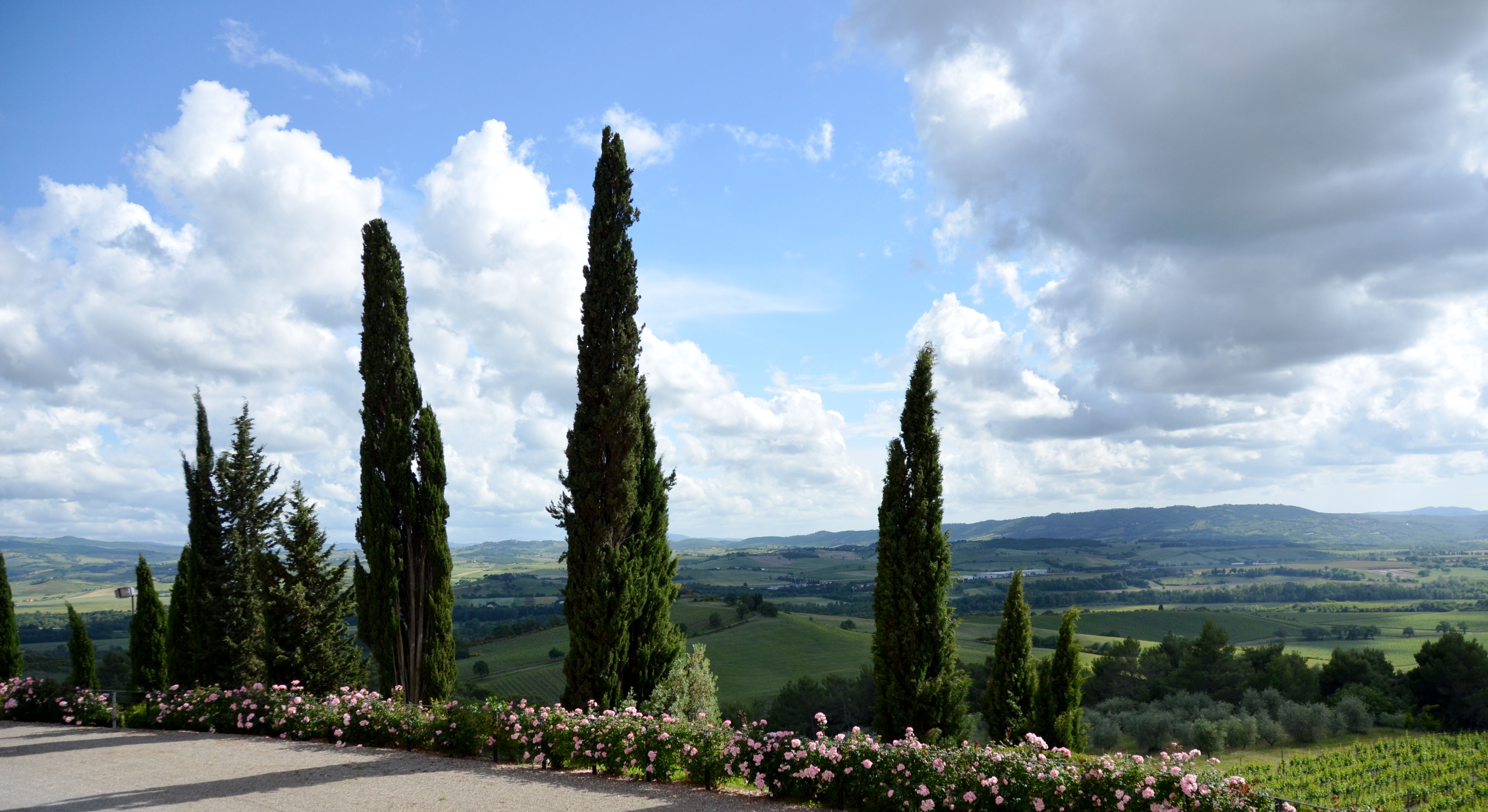
To describe the landscape of the region break out the adjectives, add a generous helping of superlatives and you have the loveliest-quaint-bucolic-most serene Tuscan countryside. Cypress trees, vineyards and olive groves dance along the rolling hills and intermittently scattered along the vast tracks of fertile fields are charming towns which provide endless potential for day-tripping adventures. While Florence is as marvelous as Pisa is infamous, Lucca, Volterra, Siena, San Gimignano and many, many more are well-worth a sojourn.
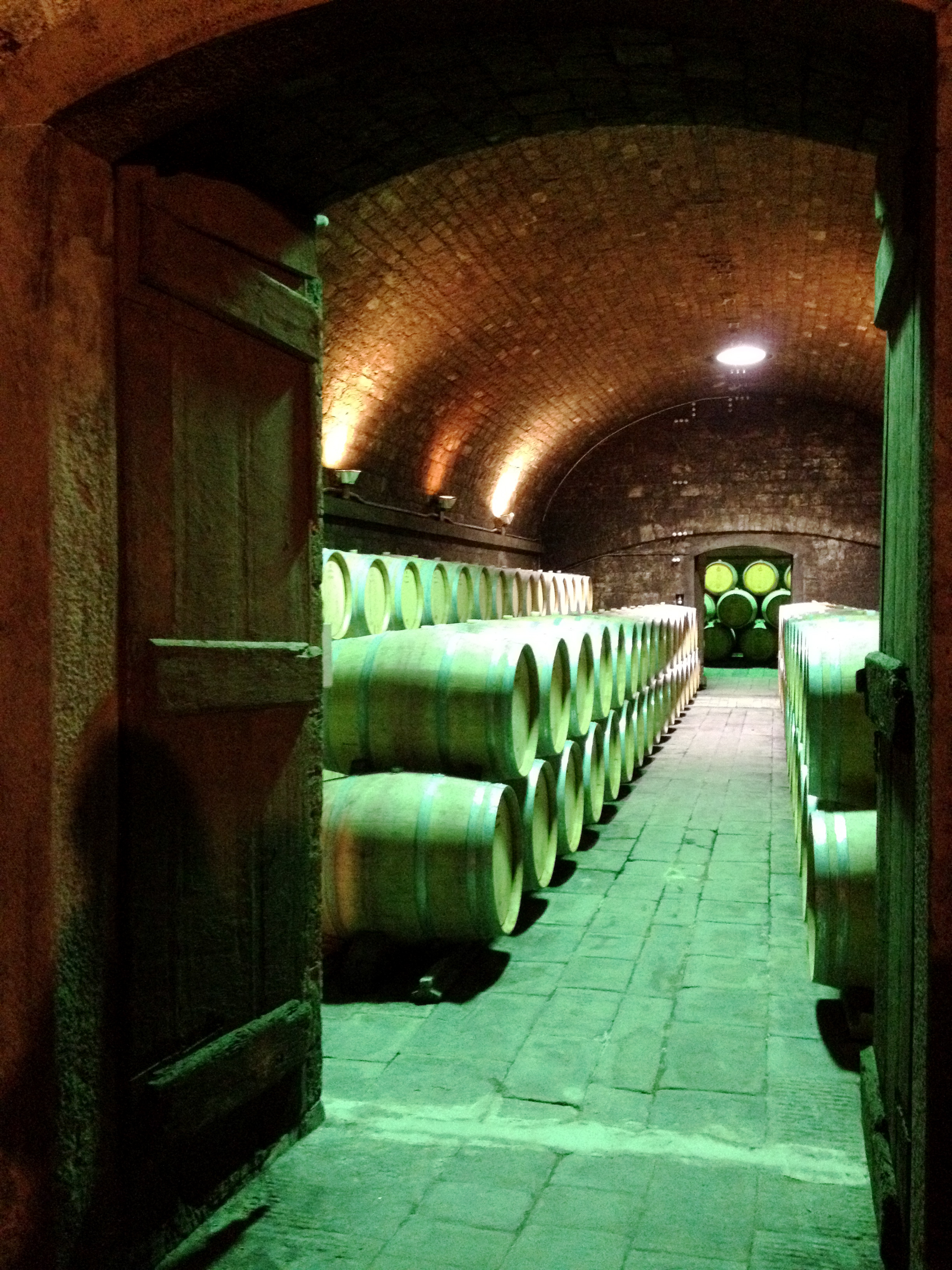
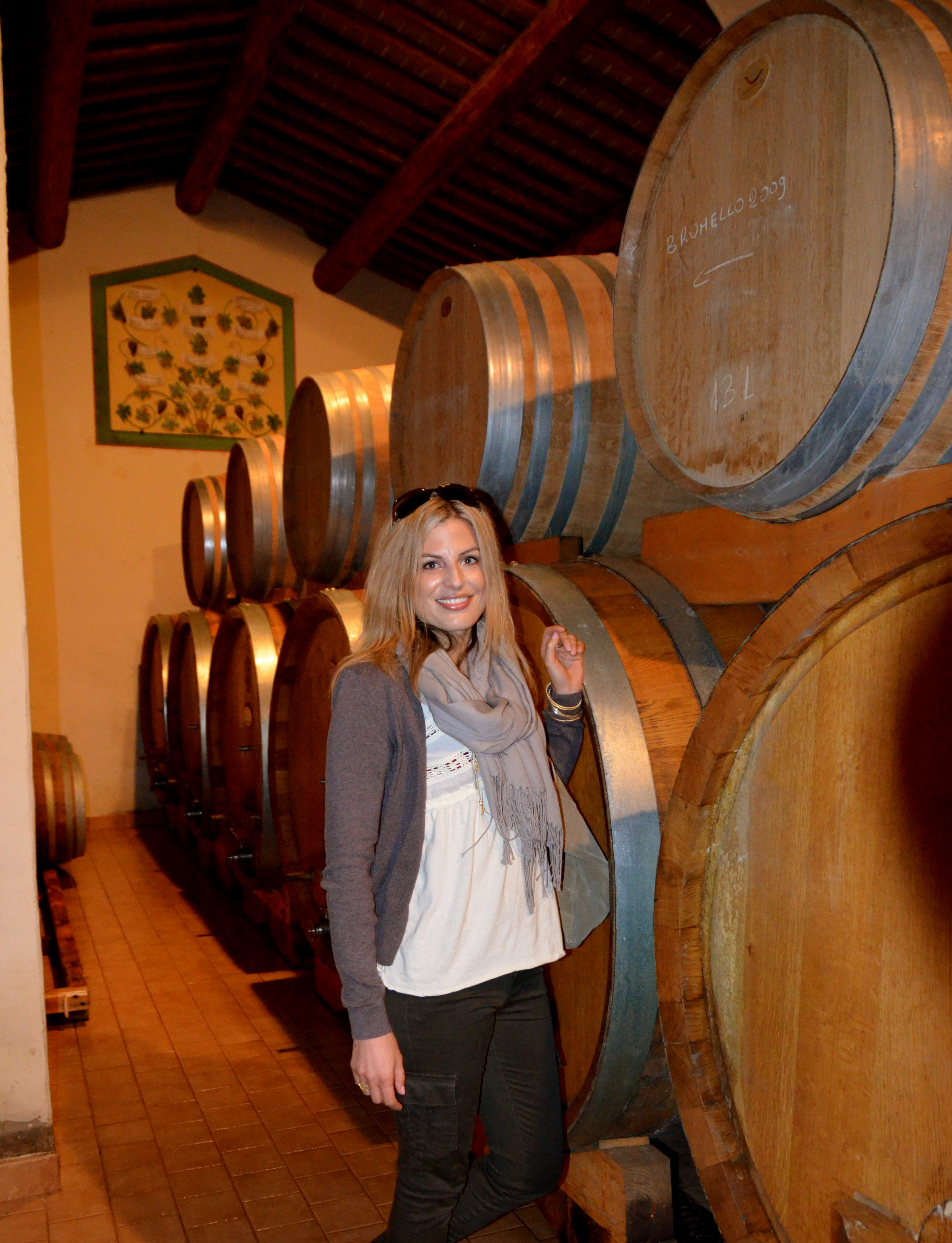
Another local pursuit is winery-hopping, the Italian version of a pub crawl, and each vineyard has its own unique history, barrel methodology and tasting choices. You may not know your Brunello di Montalcino from your Vino di Nobile di Montepulciano but touring the wineries is a master class in the Sangiovese grape and the art of the vine. Some of the most interesting were Castello Banfi l’Enoteca ~ a castle in a gorgeous location with lovely people and delicious wine; Casato Prime Donne ~ despite being a traditionally male dominated profession, the winemakers here are all women and this vineyard produces bottles of Cenerentola or “Cinderella;” Villa Le Corti ~ wine is literally on tap but unfortunately the proprietress-owner is a most unpleasant Duchess; Fattoria Corzano e Paterno ~ Arianna and her family run this vineyard, farm and working dairy which produces artisanal sheep cheeses making tastings especially scrumptious; Antinori’s Badia di Passignano ~ in the Chianti Classico region, barrels here are aged in the property’s 4th century monastery and you should not miss an exquisite dinner with wine pairings at Osteria di Passignano.
After a day’s indulgence you need somewhere to lay your head. Accommodation options in Tuscany are plentiful but if you are traveling with friends why not rent a villa; for roughly $12K per week you can stay at Enzo and Annagloria Corti’s spectacular Villa Torre Il Santo located in Tavernelle in Val di Pesa. Ah, la dolce vita.
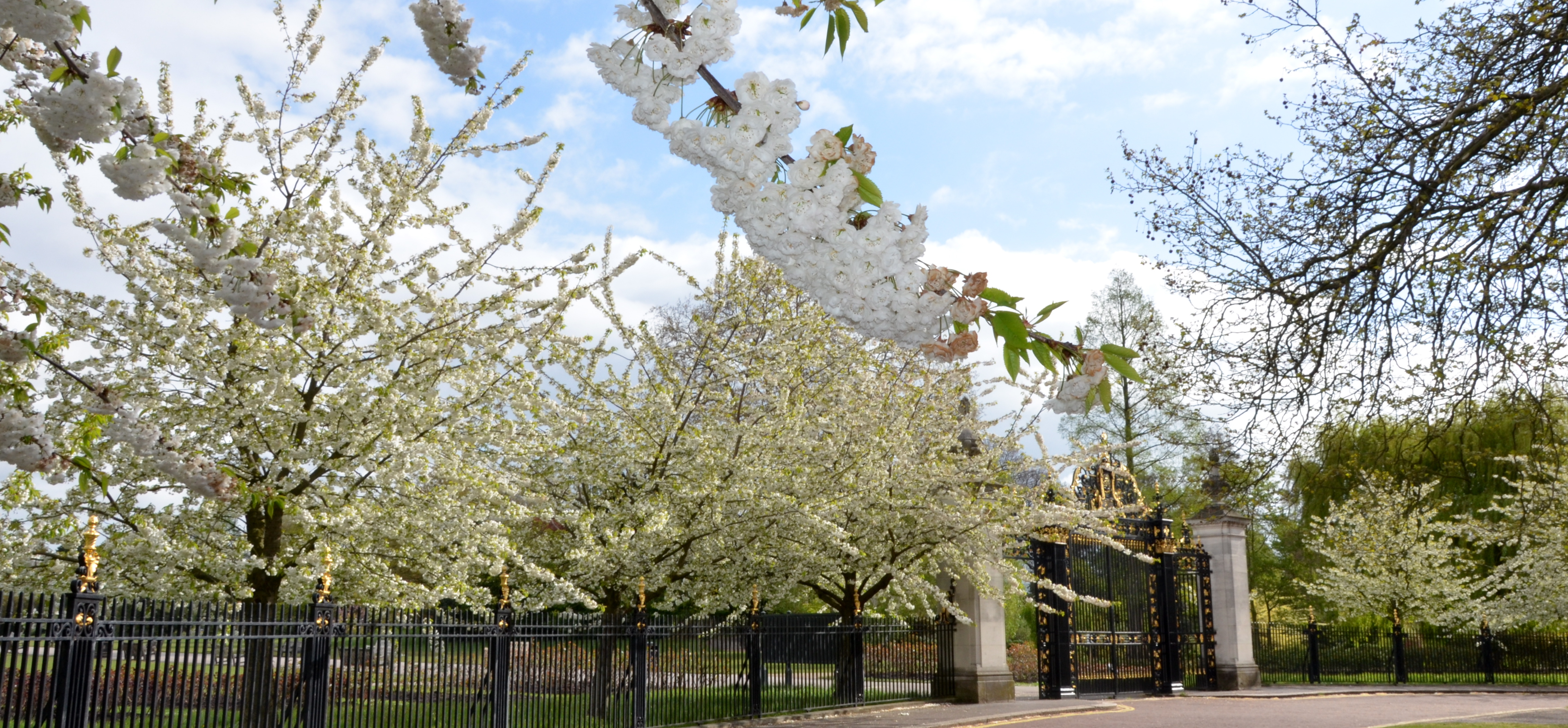
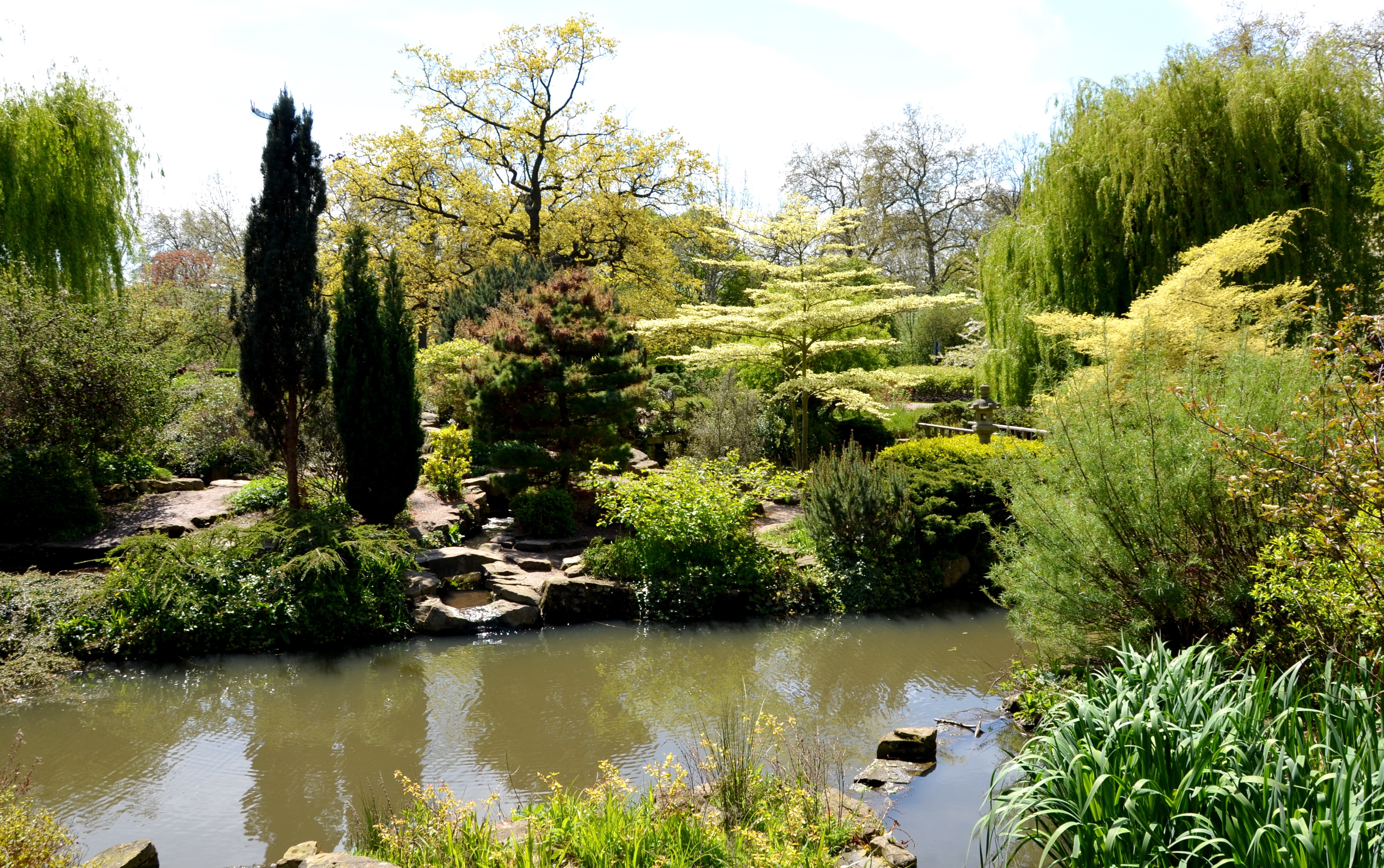
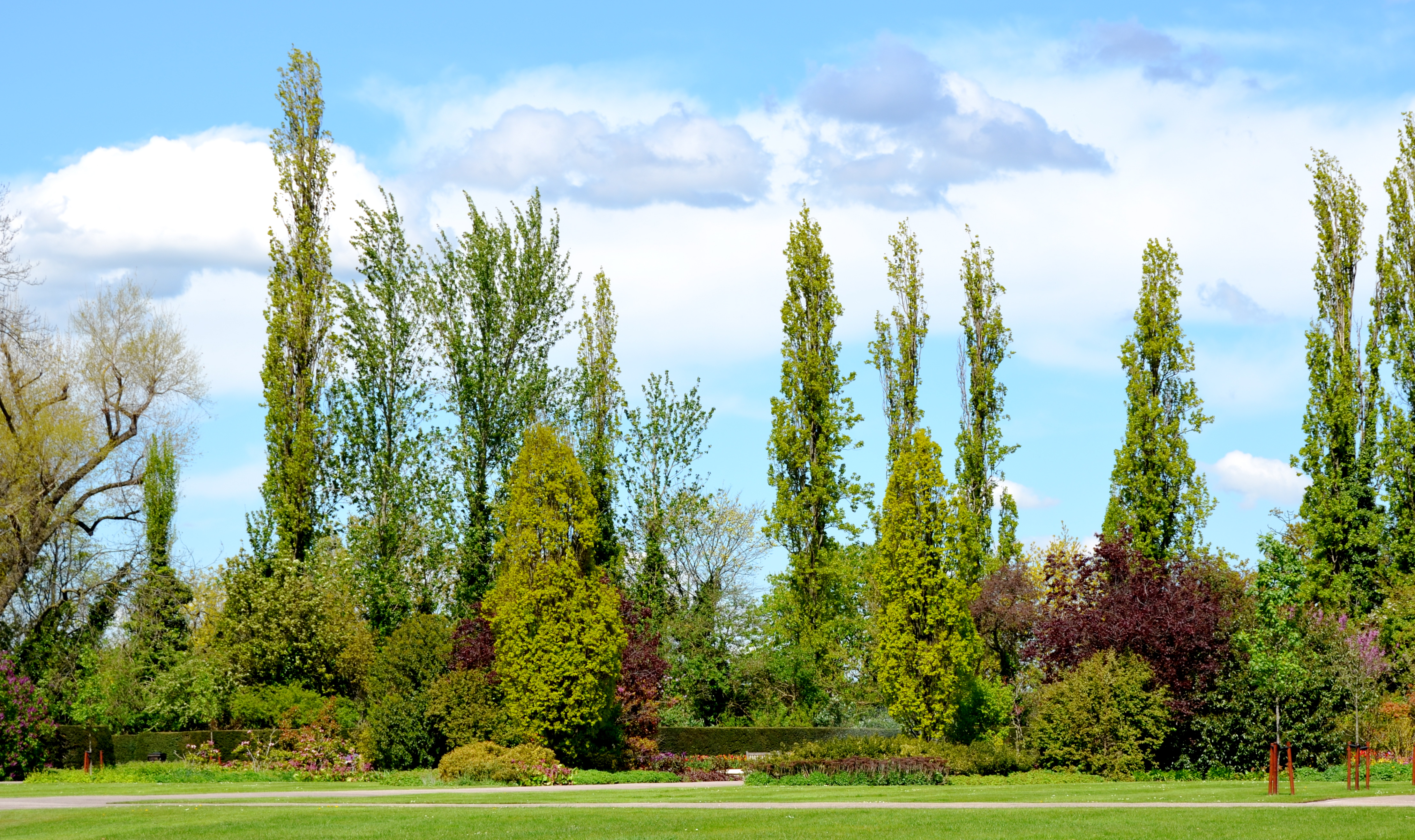
London’s burgeoning spring-fever has blended with mounting pre-Olympic fervour. The vibrant rose garden in Regent’s Park is an enchanting place to embrace the season:
∞
∞
∞
∞
“With the coming of spring, I am calm again. ” — Gustav Mahler
London puts on a show for Christmas. We have Trafalgar Square’s giant Norwegian Spruce, the glamorous glitz of Oxford Street bursting with lights, a Winter Wonderland extravaganza in Hyde Park, and various “traditional German” Christmas markets. Multi-cultural Londoners universally wish each other “Happy Christmas” bidding glad tidings and good-will to one and all. When I recently visited the Christmas market held on London’s South Bank, it was one beautiful night in the capital. Here are my seven favourite photos.
Germany and Austria reign supreme among Europe’s best traditional Christmas markets, however Prague is consistently a top ten pre-Noël destination in part for its atmosphere, market food, and Bohemian crafts, but more-so for the quaint picturesque city that has been proclaimed a UNESCO World Heritage Site. Ever since I saw Tom Cruise dashing through Prague’s postcard framed streets in the film Mission: Impossible, I planned to visit the city that seemed to have captured an aura of romance, elegance, and beauty of a by-gone era. Prague does not disappoint.
History
The Czech Republic has a variant and tumultuous history for such a young European country. For quasi-historians like myself here is a very brief romp across the centuries. The area known as Bohemia was settled by and named after a Celtic tribe called the Boii. From early Slavic dynasties to the fourteenth century’s Golden Age, Prague developed into an important cultural centre and capital of the Holy Roman Empire. Wars, upheaval, Catholic Church versus Protestant Reformers, and the subsequent 300 years of Austrian-Habsburg Emperors. After World War I Czechoslovakia became an independent country in 1918 however the freedom of this first Republic ended abruptly in 1939 with German occupation. Nazi Protectorate then post-war communist Republic until 1968 when political liberal reforms known as “Prague Spring” (and I thought CNN coined that phrase this year) resulted in Soviet invasion and occupation. Not until 1989’s Velvet Revolution did Czechoslovakia’s dissidents defeat communism and democratic presidential elections followed. After an amicable “Velvet divorce” from Slovakia on 1st January 1993, the Czech Republic was born – the country is not old enough to legally drink alcohol in the US.
Today
Six million tourists a year visit the Czech Republic. According to guidebooks (Lonely Planet’s Encounters by Brett Atkinson was my favourite this trip) Prague has something for everyone – history, culture, art and architecture, music, clubs, and the famous Czech beer. Despite Prague’s recent reputation for a bit of debauchery, wild stag and trashy hen nights courtesy of cheap beer and budget airlines, it is not seedy and being mistaken for a working girl by taking a solo late-night stroll in Wenceslas Square is easily avoided. The four quarters that comprise central Prague each have a distinctive character; the historic Castle District (Hradčany), Lesser Quarter (Malá Strana), Old Town (Staré Město), and New Town (Nové Město). Buildings, bridges, and spires aplenty paint the town Gothic to Baroque, Renaissance to Art Nouveau. Everything is accessible via bus, tram or metro, but provided you have decent walking shoes it is better to wander through the cobblestone streets and explore hidden alleyways on foot.
Prague Christmas Market
Spring and summer are probably stunning and mid-winter with a blanket of snow must be magical but take the city centre– a European Norman Rockwell meets Thomas Kinkade painting– add decorative lights, Christmas trees, festive market faire and you have the charming Christmas markets in Prague. There are two main markets, Old Town Square and Wenceslas Square. King Wenceslas from the Christmas carol, “Good King Wenceslas came out on the feast of Stephen” (oh you know it) was in fact a Duke and a Czech patron saint. Hum that tune for a minute and already you’re in a festive mood. Shops and stalls sell all kinds of local crafts in varying levels of quality as you’d expect. I bought multi-coloured Bohemian crystal wine goblets and several bottles of Becherovka, a bitter-sweet herbal drink served as an aperitif or liqueur. If you like duck or pork based dishes, you are in for a real treat in the Czech Republic; roast pork served with dumplings and red cabbage is a national favourite. I opted for street stall dining; dinner for two cost less than £10.00 at the Old Town Square –including grog and mulled wine. For dessert a tubular sugar-crusted cake called trdelnik or trdlo. This special pastry is made by ever-so-carefully wrapping dough around a long wooden pole or “trdlo” and then roasted golden brown over an open fire. The hot tubes of crispy-outside-soft-inside baked cylinders are then rolled in a mixture of almond, sugar, and cinnamon powder. For an extra ten crown you can have Nutella spread around the inside. Delicious. To end the day, many churches and venues like the Municipal Building host classical concerts during the holiday season. It’s beginning to feel a lot like Christmas.
This slideshow requires JavaScript.
Enjoy a little of Prague at home – Have a Pilsner Urquell. Czech’s consume more beer (pivo) per person than any other country. Listen to Mozart and wish for someone to invent time travel. Mozart himself conducted at the premiere of Don Giovanni in 1787 and the legendary Casanova attended. Wish I was there. Be inspired to read or re-read The Trial by Franz Kafka, a Prague hometown literary hero.
Phase two of my Indian holiday, an eco-retreat. Arguably a few days in Mumbai plus a spa week don’t count as the real India. Perhaps I only glimpsed the country as a passenger peering out car windows on purposeful journeys first through multi-national, western-ish Mumbai then the remote rural villages and semi-towns in the south. Every so often I did pause to soak up local culture – shopping at a roadside vegetable market, learning to eat biryani (rice dish) with yogurt served on a coconut leaf with my hands, praying at a Shiva temple in the seaside village of Gokarna, watching ritual chanting at a Brahmin house, snacking on two plump veggie samosas and a masala dosa (savoury pancake) from Udupi Café for Rs 50.00 or roughly .64 pence – the real, incredible India.
My next trip I’ll discover more authentic-traditional-modern-day India, but for now on to SwaSwara. Having spent my time planning Mumbai, it didn’t occur to me to research the spa week other than to buy Lonely Planet Goa. Interesting oversight because I flew into Goa – an Indian state known as party central, Portuguese influenced, Roman Catholic dominated – and drove straight out of it. From Dabolim Airport the gated compound of SwaSwara is a 3-hour drive via motorway-of-sorts into the neighbouring state of Karnataka. An ayurvedic holistic spa in southern India, a place of healing, wellness and peace – translated from Sanskrit SwaSwara means inner-rhythm or sound of Self. I began my soul-journey with the traditional greeting. Namaskara.
Here is s a taste of my surprisingly busy days. Wake up and head straight to the Yoga Shala (Yoga House) for early morning sun salutations. Daylight streams through large picture windows which overlook the lake, gardens, and Arabian Sea on the horizon.
Time for breakfast – fresh fruit juices, herb-flavoured water, dried fruit, nuts, paratha bread with warm vegetables, and masala tea. I linger enjoying chai and a chat with new friends until it’s time for my ayurvedic treatment. Ayurveda is an ancient Indian science of healing based on balancing bio-energies called doshas. Special oils and spices are blended and heated for my massage. By now I am over the initial shock of going au naturale and after a Vedic prayer, Sowmya and Sivathri start pouring hot oil over me. The four-hands of my two therapists know the full-length-front-back of my body better than some ex-boyfriends. I drift into deep relaxation with warm smells and gentle sounds of chanting monks swirling in the background. Afterward a quick talk with the Doctor, she offers a honeyed tea and tries to explain my Kapha-Vata-Pitta from my Chakras. Already noon-time and that means back to the Shala for Yoga Nidra or “yogic sleep.” This type of yoga is a state of conscious deep sleep that gently focuses the mind and aids in awareness, clarity, and calm. The staff join us for this session and we tease each other that we’re not actually meant to fall asleep. Wake-up or rather come out of deep mediation in time for lunch. Today’s menu is luscious greens, curried vegetables, and a sweet pudding. Relax and consider how to spend the warm, sunny afternoon, I may opt for quiet self-reflection on the yoga deck in my villa or under the 400-year old Banyan tree by the lake or maybe a walk on Om Beach, shaped like the first sound of creation and thus named. Instead I visit the art studio where Jyothi, the artist in-residence, encourages me to explore my inner painter and unleash imagination on canvas. This week SwaSwara is hosting an art camp so we watch the artists work and feel creative energy pulsing through the gallery.
No time to nap because sunset yoga is about to begin in the Blue Dome followed by early evening mantra chanting or Tratak mediation – gazing at a candle flame for improved concentration and intuitiveness.
Tonight at dinner we discuss the international plight of women and generally put the world to right over four courses – cauliflower potato pathé, drumstick dry mango soup, Dum Aloo Kashmiri with mirchi dal and cumin chapattis, and to finish an avocado ginger pannecotta. All the meals are locally produced, beautifully presented, and mouth-wateringly delicious. An added bonus, the diet helps develop “prana” or vital energy, spiritual consciousness, and encourages the development of peace, love and humility – so I indulge in a few more bites for the good of humanity. We eventually have to say goodnight and I stroll back to my villa gazing at the star-filled heavens in disbelief that the awe-inspiring sky, millions of floating stars have managed to escape my notice as of late. Back in my sanctuary I wish my little frog goodnight, I’ll see him tomorrow in the semi-open-air shower. Smiling. Exhausted. Sleep.
This slideshow requires JavaScript.
My days at SwaSwara felt rhythmic and routine. The surroundings are charmingly serene and the staff is brilliant, instantly welcoming, generous, and fun. Guests regularly stay 2-to-3 weeks. I can see why. Unplugged, I restricted my internet and television intake, denied myself the daily stream of media downloaded directly into my synapses. Freedom. I felt sunbursts of contentment, waves of pleasure, glimmers of happiness, even joy-adjacent – emotions I hadn’t experienced in nearly a year since I suddenly, expectedly lost my father. Anyone who has known loss understands the numbness, which evaporates into agonizing sorrow, chaos. Yet amazing, quietly, and unannounced I started to feel well in my mind, body and soul, better than well in fact. I started to listen to myself and believe in my own powers to create and attract oneness with the universe. I started to remember there are no shortcuts to physical health and the Master Cleanser is not a lifestyle choice. How powerful to cultivate your own well-being and nourish your body-mind-soul. Chant away every worry and crease in your mind, listen to yourself, and connect with a higher power. Maybe it is not a holiday for everyone. It should be. I nearly extended my time, but alas a far more worthy endeavour is attempting to re-create that sense of bliss in my daily life. Not easy. I miss the delightfully healthy meals and Prince’s beaming smile, but I drink my water hot and keep up with yoga practice. It is a start.
If by chance this world is powered with positive energy, kindness, and laughter then we owe a debt of gratitude to SwaSwara’s tiny corner of the globe for keeping us going. Always looking for my next adventure, yet this place I’ll visit again. In the meantime, to my SwaSwara friends, Dhanyavad (thank you) – Om Tat Sat (all that is True) – See you soon.
I’d vote for India to be the next global super-power and will explain why but first let me share my adventures in Mumbai.
Having done my research and being amply prepared for India immediately assaulting my senses upon arrival, I discovered Mumbai has palpable energy like many metropolises however my senses weren’t attacked. Outside the new, ultra-modern international airport, only my ears rang slightly with what would become a constant, familiar drone of car horns and congested traffic. Mumbai is a sprawling city, western, traditional, crowded, cultural with rich people and many, many poor. My self-made itinerary included tradition tourist attractions from the Gateway of India to Malabar Hill, glamorous Bollywood, packed commuter trains, and the famed dabbawallas (tiffin-carriers). A tour of Dharavi now-infamous courtesy of Slumdog Millionaire, Asia’s largest slum has a million people living in the confined space of two square kilometers contrasted with the lavish 27-storey residence of Indian billionaire Mr. Mukesh Ambani with 600 staff members looking after the family of six.
My personal Mumbai highlight reel goes like this. Within hours I was ripped off by a taxi driver. I was prepared for this. Ready to negotiate. However being slightly lost and starting to wander in circles and after asking several drivers to take me to “Queens Road” which I’m sure is South Mumbai’s equivalent to 5th Avenue or Rodeo Drive. Never-mind the blank stares and horizontal shaking heads, I was getting agitated and somewhat desperate, not an ideal combination for the barter system. Finally I had a taxi and when the price was negotiated from Rs100 to Rs200—wait that’s not negotiation, I said okay anyway. At least he was kind enough to tell me about his life, wife and two little girls, and he thanked me and wished me well. After buying silks, a sari, and three salwaar kameez suits which I may only have occasion to wear by crashing Sikh weddings in London, I braced myself for the journey back to the hotel. Going to the Taj carrying shopping bags from Kala Niketan and Roop Kala I was ready to make my donation to the universal taxi-driver-tourist-trust-fund. Instead this driver metered the trip and the journey cost a mere 23 rupee or roughly .30 pence. You never know and should never assume who is going to cheat you. I’m not complaining since my first taxi cost all of £2.50 it’s just an 800% mark-up demonstrates a keen awareness of laissez-faire economics.
The Taj Mahal Palace & Tower Hotel is a bubble of luxury and can boast the most invitingly comfortable, cloud-like bed and pillows, ever. Tearing myself away from high-tea at the blissfully colonial Palace Lounge, I was off to Elephanta Caves, a Unesco World Heritage Site, located an hour boat ride from Apollo Bunder on Gharapuri Island. After a long, uphill souvenir and snack-stall-lined climb, you can wander through the caves housing Hindu stone sculptures dating from the 7th century. Here I learned if you cannot be a Bollywood star in India, consider being a blonde. Indian tourists from east Gujarat to West Bengal were asking to take pictures with me, honestly, I was handed a baby at one point. I wasn’t special, all fair-haired tourists were photo-fair-game. I am curious to know what people will write in their photo albums; mine says “now could you take one for me – me with Punjabi table-tennis champ.”
My next project was to solve the mystery of Chhatrapati Shivaji; when the train station, international and domestic airports, museum, various roads, and publics buildings are re-named in your honour either you are important or someone is determined to confuse visitors. Turns out this 17th century Maratha warrior king is the adopted patron of Shiv Sena, the contemporary militant Hindu party responsible for the revisions and for his statues across the city. Shiv Sena also renamed Mumbai after a local deity in the mid-90s. What is in a name after-all. Many locals still refer to their city as Bombay and despite death to the memory of colonialism, the national sport of cricket and the institution of afternoon tea seem safe.
Busy day transformed into frenetic night. Mumbai nightlife is like any other uber-cool-trendy city; restaurants, music, cocktails, and clubs. One of my favourite evenings started at the Taj’s Harbour Bar with their signature drink, from the harbour since 1933, and ended at the Taj many hours later at Wasabi by Morimoto after Rs11,130 worth of sake and sushi flown fresh from Japan. Akin to having a curry in Italy, yet truthfully it was better quality fish than I’ve had in London despite costing the equivalent of two months local salary.
Everyone I met had a story, a perspective about the vast contrasts in Mumbai. Wealth and opulence, 5-star hotels and wine-bars juxtaposition to dirty, poverty-stricken streets without the courtesy of a progressive-gradual transition of neighbourhoods. One of my new friends remarked “I’ll always be poor” in spite of what appeared to be a lucrative career in hospitality. His wife’s inability to speak English, one of many keys to mobility, meant she could never get a good job. He went to on to educate me about the Bangladeshi slums where migrant numbers are ever-increasing for a chance in the city of dreams—how bad must it be in Bangladesh. When I suggested that he was better off than those living in Dharavi, he surprisingly said many residents there work and have bank accounts and probably would have more money to leave their children than he would. Curious. Vanita, another local resident and veteran tour-guide, and I discussed everything from Ghandhi to the price of petrol. She explained how the Tata Motor group manufactures the Nano, a tiny car costing just £2000.00; literally the world’s cheapest car but with petrol costing 65 rupee a litre, nearly UK prices, who can own a car? Such is the plight of the emerging middles class. When I asked Vanita, is it a bit brazen being driven on a city-safari in our air-conditioned sedan. She replied your life is your life. Why should anyone living out their karma, trying to live a good life, feel guilt or envy of another? It wasn’t really a question.
This slideshow requires JavaScript.
Like most things of significance the situation in India is complex. From my vast knowledge after spending three days in Mumbai, here is my perspective. Assuming the Eurozone can’t recover, fourteen trillion in debt is just too much for America to overcome, and I had to choose India versus China as the next power giant, I’d choose the former. First India is now the world’s largest democracy so albeit the governance rather corrupt, it’s familiar. Hindi is the official national language, however English is widely spoken and undoubtedly the language of commerce and the intelligencia. Without population control policy, 500 million of the billion plus Indian populace are under the age of 25. All factors key in world domination. India has excellent intangibles too like generosity and kindness of its people that apparently exists without envy. An incredible work ethic with many people working 12 to 15 hour days, six days a week; hard-working, modest, and humble are revered qualities. India is 80% Hindu, a religion renowned for tolerance; if your religion can’t get along with the Hindus (and you know who you are) then you need to have a long talk with your religion.
The barriers for India include the not so minor points of wide-spread illiteracy, extreme corruption, social inequality, and under-reported regional conflicts but every neophyte power has problems. Still if Mumbai exemplifies the microcosm of the country, superpowerdom is coming soon.
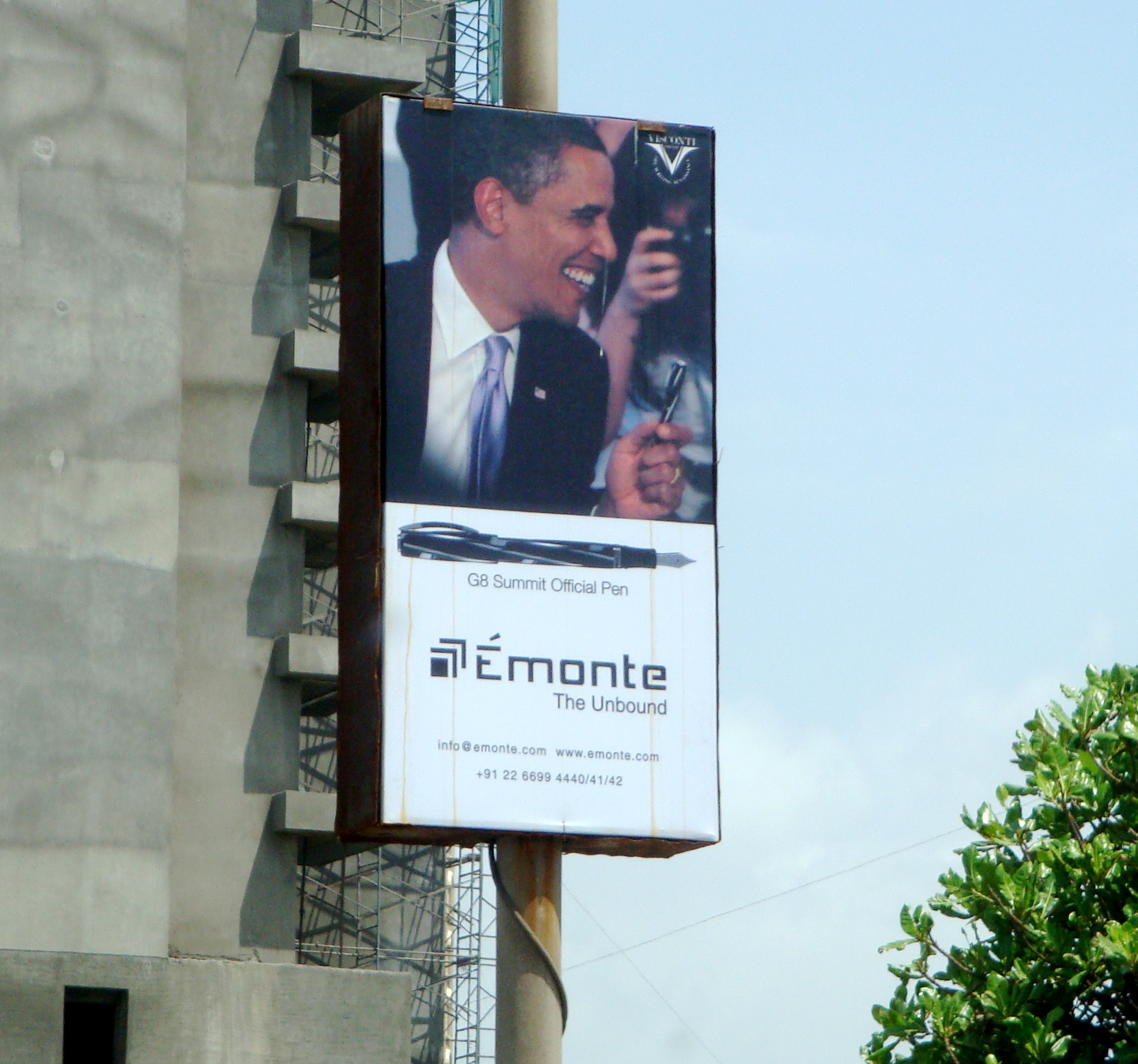
Leaving Mumbai my final memory, President Obama on a billboard ad-campaign selling pens. Definitely unauthorized, probably illegal. Still funny.














 Some Good Life